Weirloom Review: The Denim Brand Built on 15 Years of Obsession
Most new denim brands lead with a marketing story about heritage they don't actually have. Weirloom is the rare exception where the founder genuinely has the résumé to back it up — this is a brand built by someone who spent the better part of two decades helping other people find good jeans before finally deciding to make his own. Here's the story behind it, the jeans themselves, and a proper primer on what actually separates good denim from marketing language.
Who's Behind Weirloom
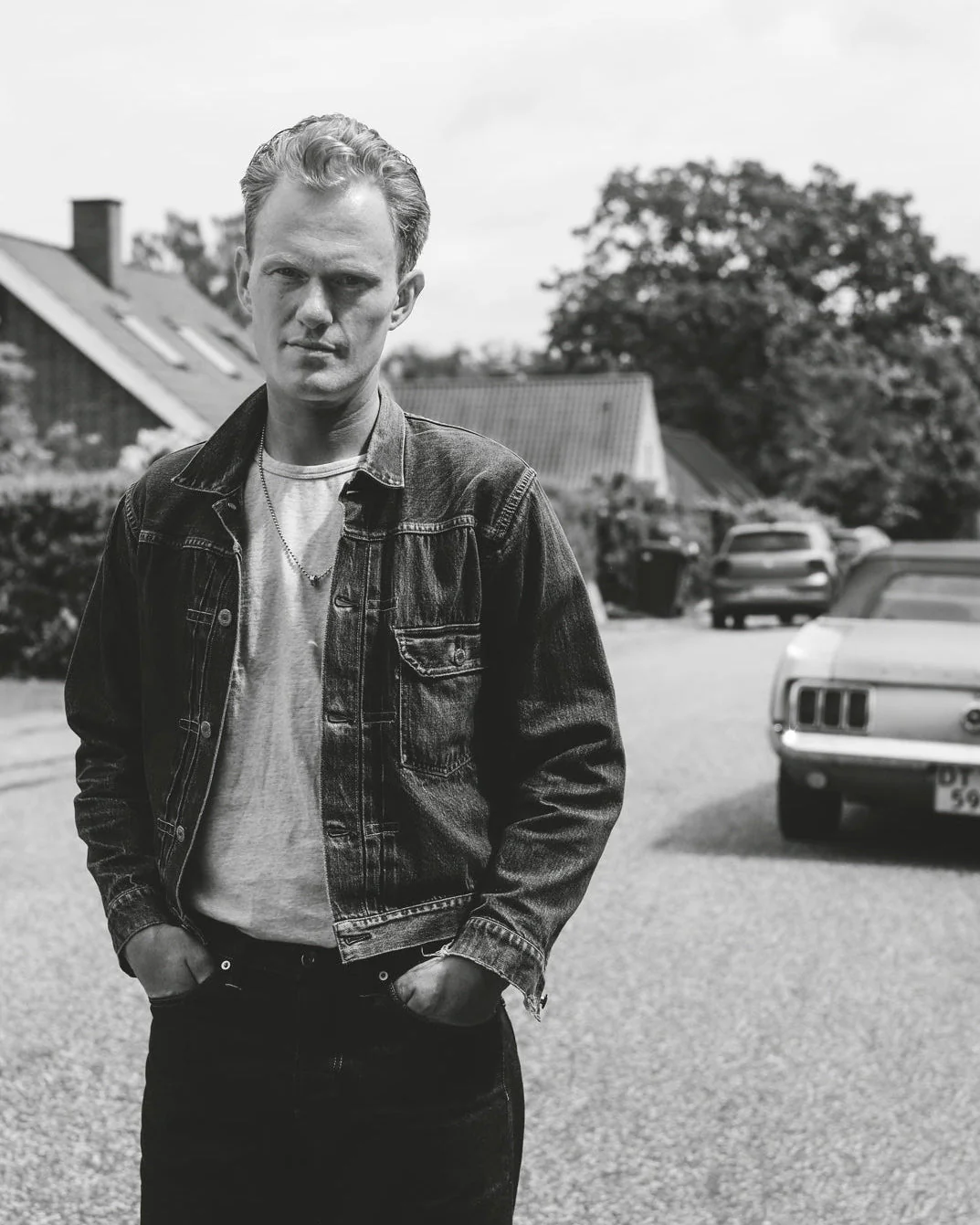
Thomas Stege Bojer founded Denimhunters back in 2011 — a denim-focused platform that's spent well over a decade guiding people through the raw denim category, alongside co-writing two books on the subject and working behind the scenes as a consultant for other denim brands. In other words, before Weirloom existed, Thomas had already spent years being the person other brands called when they needed to get their denim genuinely right.
That's an unusually deep well of expertise for a founder to draw on, and it shows in how deliberately Weirloom was built. By his own account, the idea sat in the back of his mind for years before he actually launched — not because he lacked conviction, but because he wanted to be genuinely ready rather than rushing a brand into existence. Weirloom launched in April 2025, based in Denmark, positioned explicitly as a small-batch, online-first, made-in-Europe label.
His stated reasoning for finally taking the leap is worth quoting directly: after nearly two decades of watching people shop for jeans, Thomas realised that "most people don't want to become denim experts. They just want one really good pair of jeans." Weirloom is his attempt to be that pair — not the most complicated or the most heritage-signalling denim on the market, but the one built around the details that genuinely matter after months and years of actual wear.
The Jeans: WL#1
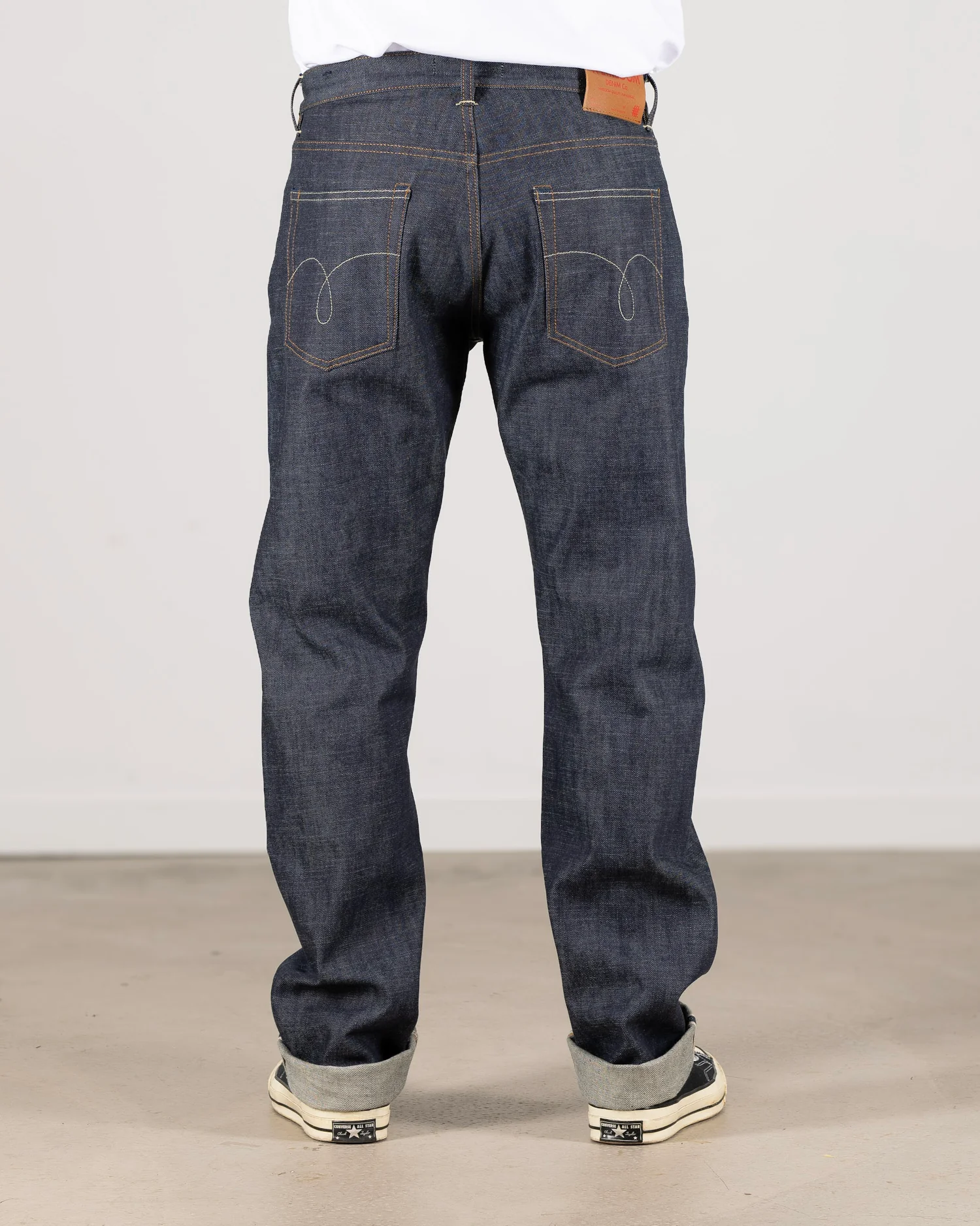
Weirloom's current flagship is the WL#1 (also referred to as the "First Edition"), and the brand has been deliberately restrained about expanding beyond it — this is a founder building slowly and getting one thing right before adding more, rather than launching a sprawling collection out of the gate.
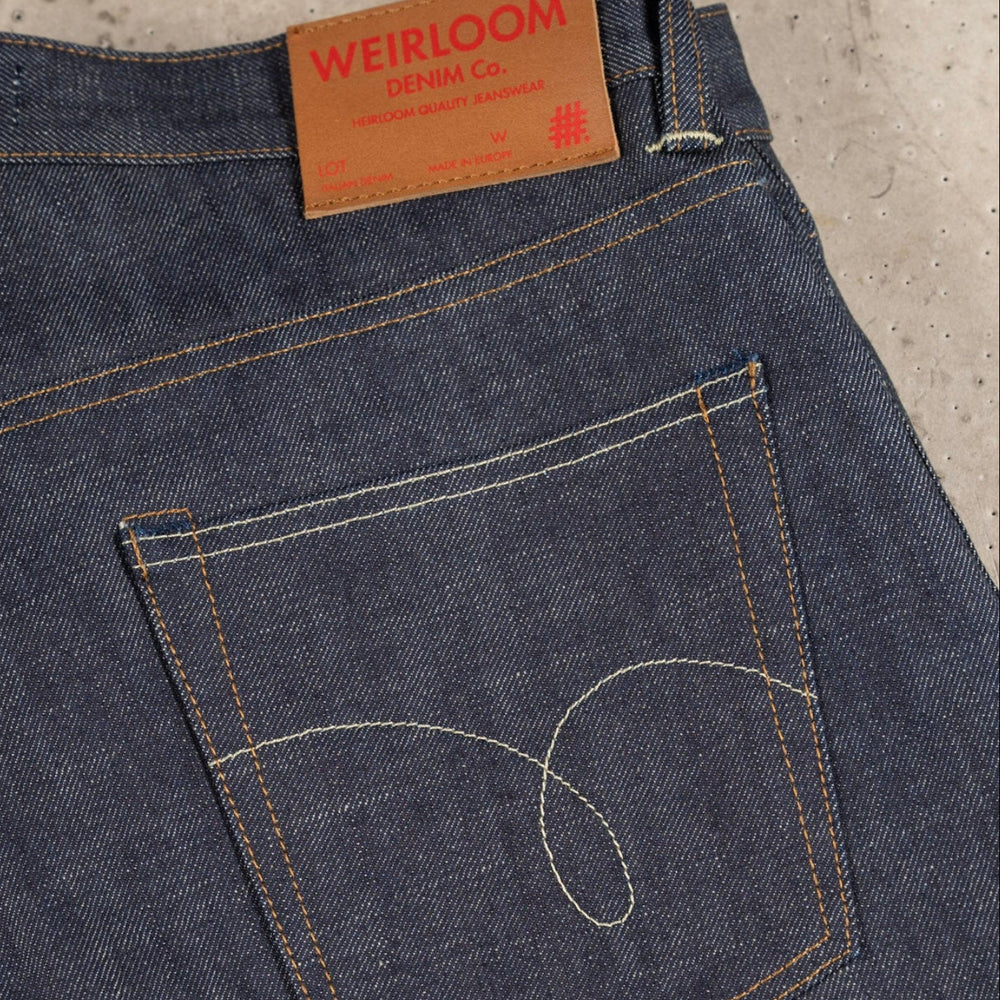
The fabric comes from Candiani, a mill operating out of Robecchetto con Induno near Milan since 1938, still using shuttle looms to produce genuine selvedge denim in the traditional way. Critically, it's woven from regenerative cotton — grown through crop rotation and natural fertilisers rather than synthetic inputs, which matters for the soil and the long-term sustainability of the supply chain, not just the finished product's marketing copy.
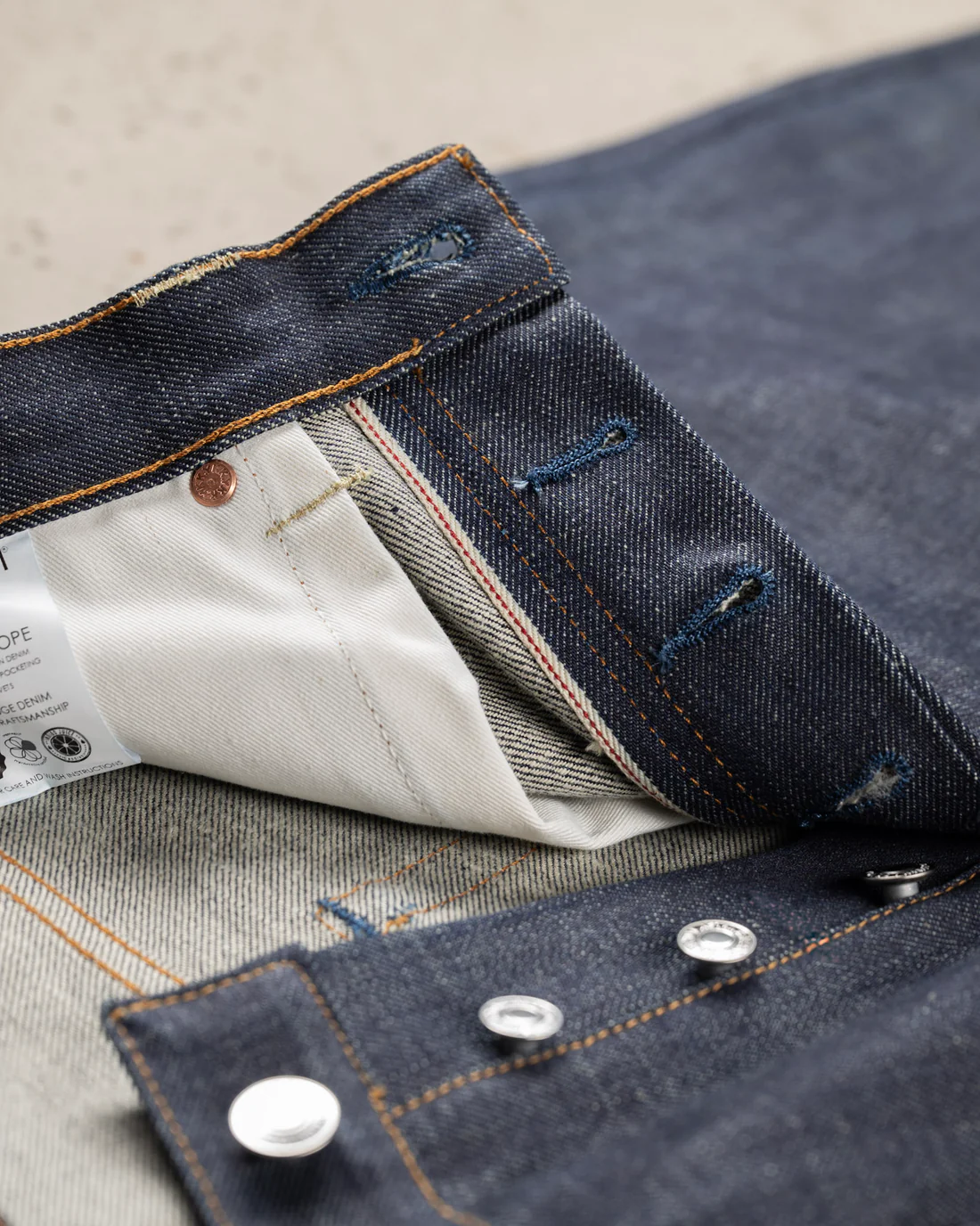
The construction leans hard into details built for longevity rather than surface-level heritage signalling: chain-stitched hems, punch-through copper rivets, tucked belt loops, a selvedge fly, a peek-a-boo selvedge detail on the coin pocket, blind bartacks, and heavy-duty pocket bags. The labels are made from recycled materials, with a biodegradable patch rather than leather. Tobacco-coloured stitching with lemon thread detailing rounds out the look — a considered, understated palette rather than anything flashy.
The model is pre-order-driven and deliberately limited — the first run was capped at 100 pairs, cut and sewn in Portugal. This isn't scarcity marketing; it's a genuinely small operation matching production to real demand rather than overproducing and discounting later, which is part of the brand's broader sustainability positioning.
Price: €200 in Europe, $200 outside the EU before duties — genuinely competitive for Italian selvedge denim with this level of construction detail, and reportedly around €70 below what the same jeans would cost at a standard retail markup, since the pre-order model cuts out a chunk of the usual margin.
What Independent Reviewers Have Said
Early coverage has been consistently positive on the specific things that matter most in raw denim — fit straight out of the box, fabric hand-feel, and construction quality that holds up to close inspection from people who genuinely know what to look for. One independent reviewer, writing for a denim-focused outlet, described the WL#1 as sitting deliberately between the two extremes of the raw denim market: the maximalist, detail-heavy end of Japanese selvedge, and the fashion-brand end that borrows selvedge's visual signals (like a red selvedge line) without the underlying construction quality or genuine denim heritage behind it.
Who Weirloom Actually Suits
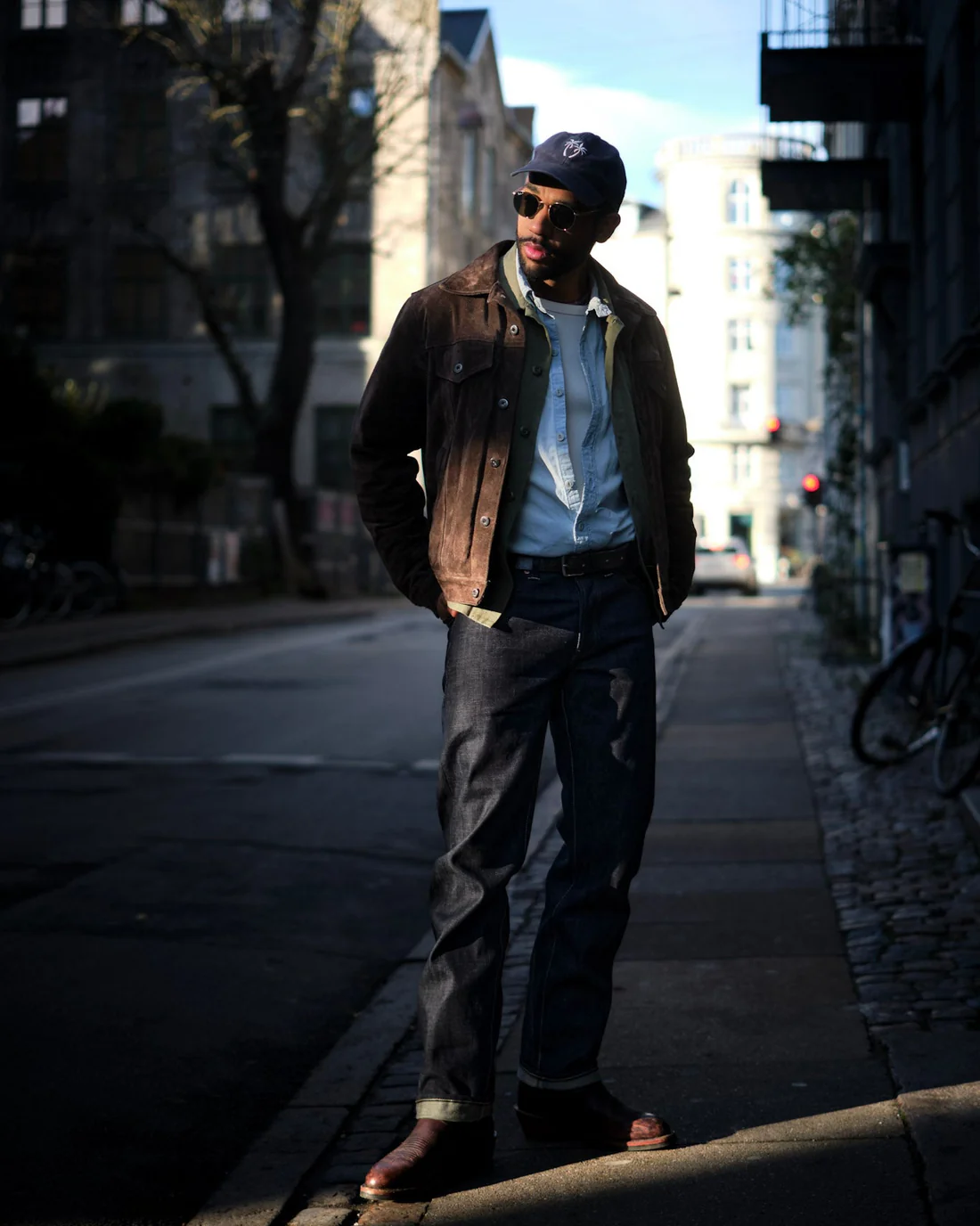
This is a strong fit for anyone who's already bought into a considered, fewer-but-better approach to their wardrobe — Weirloom's entire premise is explicitly built around that idea rather than chasing trend cycles or seasonal drops. It particularly suits buyers who want genuine transparency about where and how something is made, and who don't mind a pre-order wait in exchange for a small-batch product built without the usual retail markup.
It's a less natural fit if you want an enormous range of fits and washes to choose from right now — Weirloom is still a young, deliberately narrow brand, and the range will need time to grow into the "more fits, more fabrics" future Thomas has said he wants to build toward.
The Verdict
Weirloom is a genuinely rare case of a founder's expertise actually matching the story being told — Thomas Stege Bojer spent the better part of two decades learning exactly what separates good denim from good marketing before building his own brand around that knowledge. The WL#1 is a considered, well-constructed first release rather than a rushed debut, and the Candiani selvedge and regenerative cotton sourcing give it real substance behind the pre-order hype. Worth watching closely as the brand expands — this has the makings of a label worth being an early customer of rather than catching up to later.