How to Build a Men's Capsule Wardrobe: The Complete Guide
This is a practical, no-nonsense guide to building a men's capsule wardrobe: the core pieces, how many you actually need, and how to shop it in stages instead of all at once. Most advice on capsule wardrobes starts from the wrong place — a rigid number ("own exactly 33 items") or a photo of someone's closet that assumes you live somewhere with one season. It's not really about the number. It's about owning fewer things that actually work together, so getting dressed stops being a daily negotiation.
This is the guide I wish I'd had when I started paring my own wardrobe down. Not a strict rulebook — a framework you can adapt to your climate, your job, and how much you're willing to spend.
What a Capsule Wardrobe Actually Is
A capsule wardrobe is a small, deliberately chosen set of clothes that mix and match across most occasions you actually have — not a minimalist aesthetic, and not a fixed number you have to hit. The test isn't "how few things do I own," it's "how many outfits can I build from what's in this drawer without ever thinking twice."
Done well, it does three things:
- Removes decision fatigue. Everything works with everything else, so there's no wrong combination to accidentally reach for.
- Raises your average quality. Buying fewer things means you can afford better ones — and better-made pieces last long enough to make the higher price make sense.
- Makes travel and packing genuinely easier. If your wardrobe already works as a system, packing for a trip is just pulling a subset of it.
The Core Pieces Every Man Needs
This isn't exhaustive — it's the base layer everything else gets built on top of.
Tops
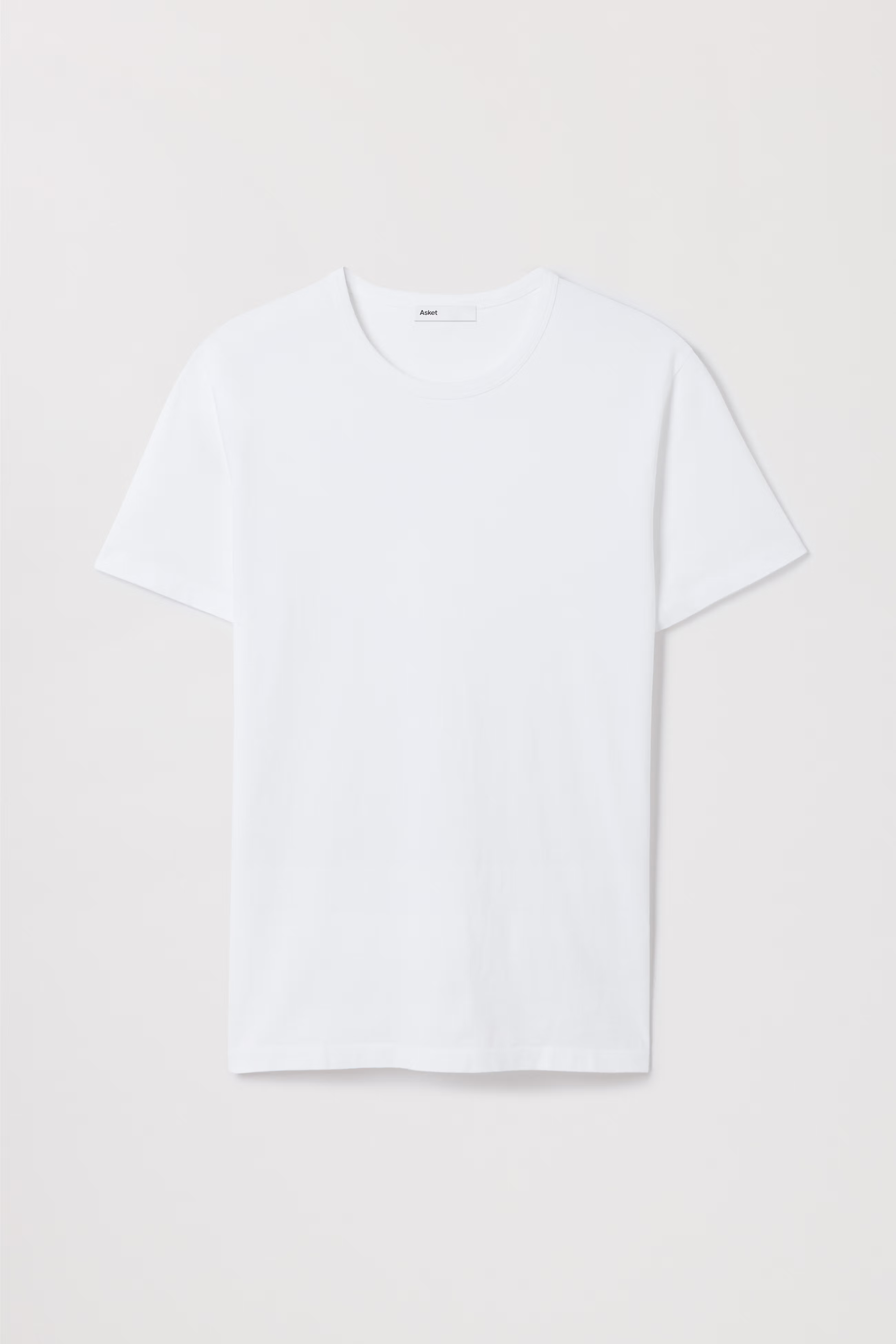
- 4-5 crew t-shirts in neutral colours (white, navy, grey, black)
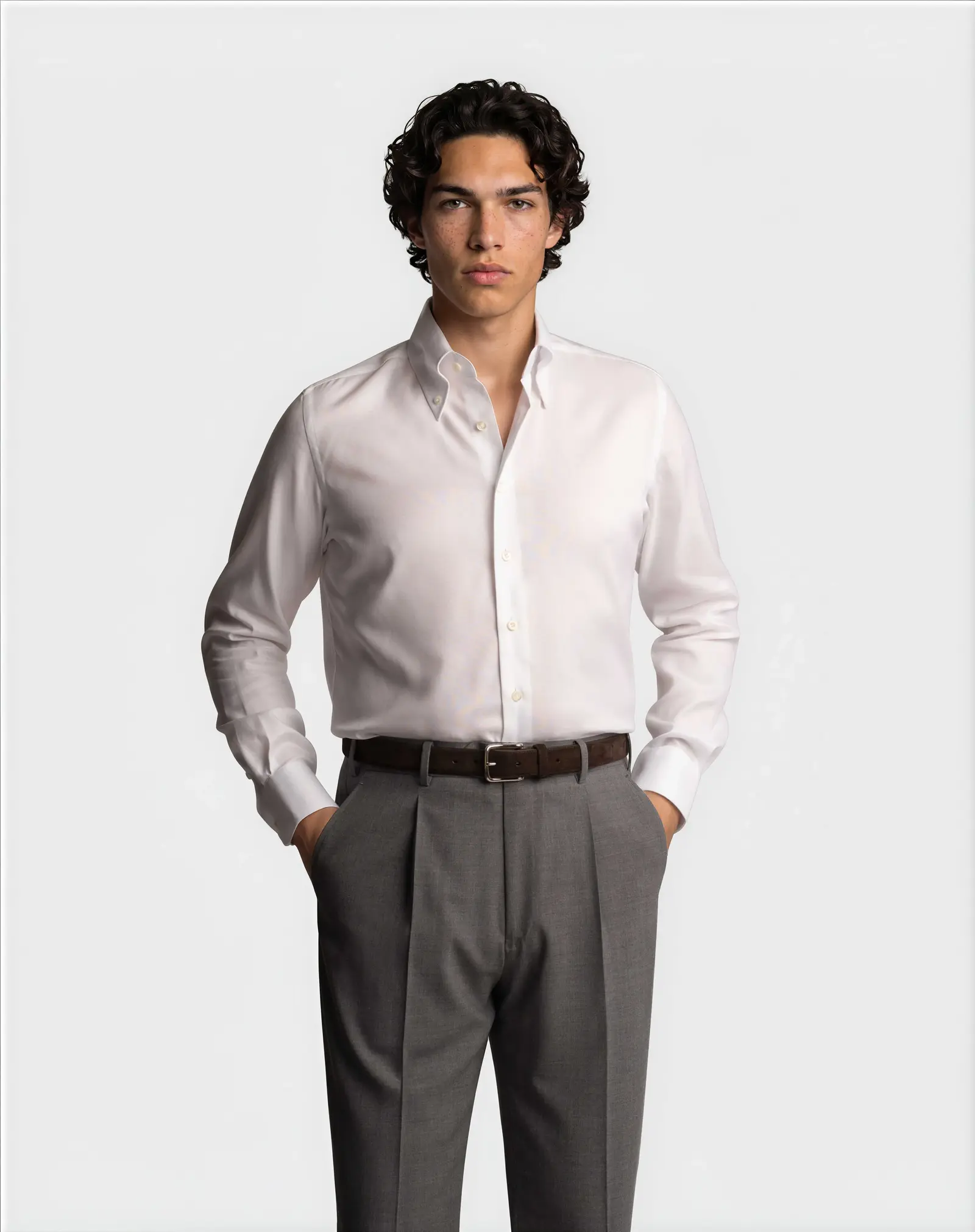
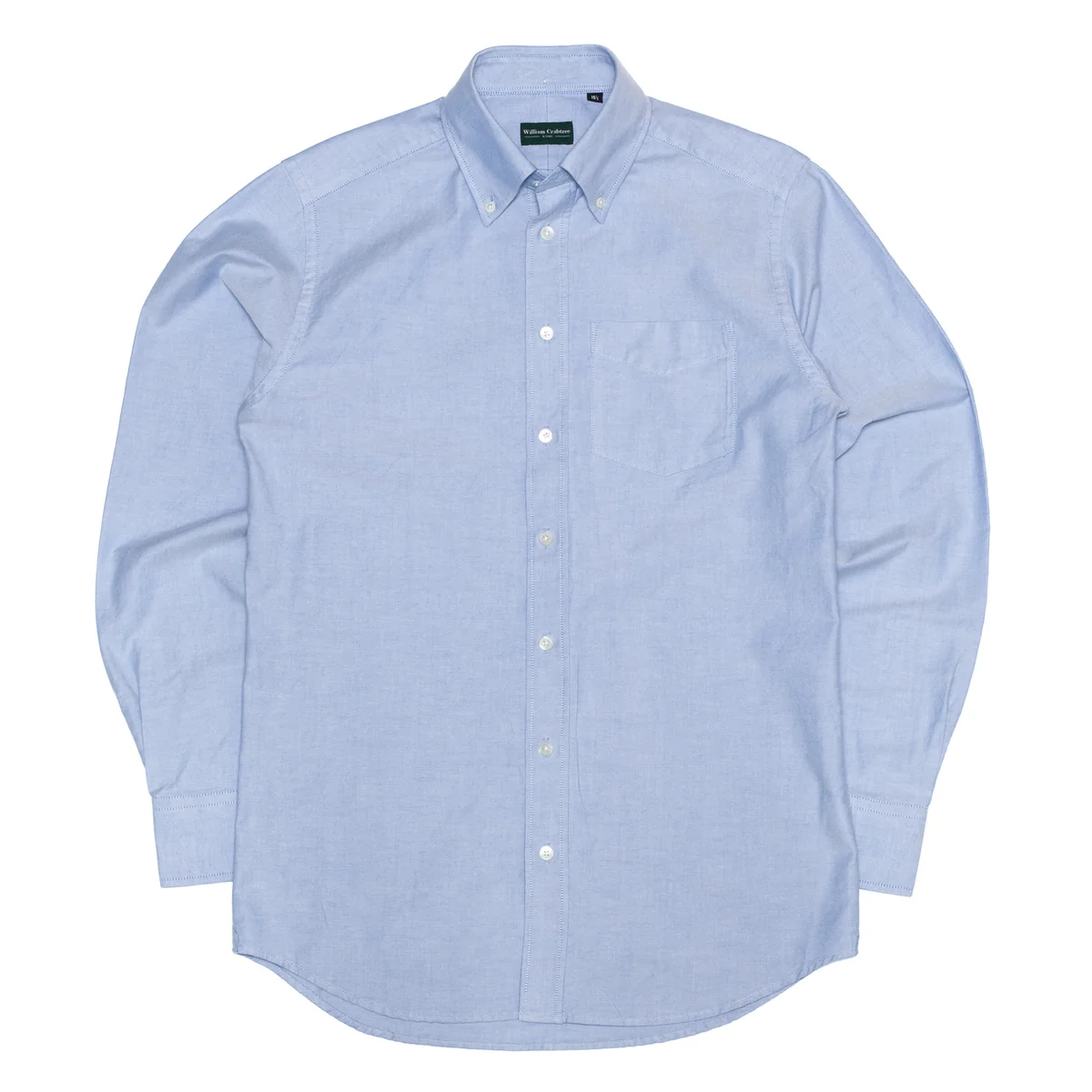
- 2-3 oxford or poplin shirts in white and light blue
- 1-2 linen shirts for warm weather (Luca Faloni's is a good benchmark for quality here — see The Modern Linen Edit for a full breakdown)
- 2 knitwear pieces — one lightweight crewneck, one heavier for cold months
Bottoms
- 2 pairs of well-fitted chinos (navy and stone/khaki cover the most ground)
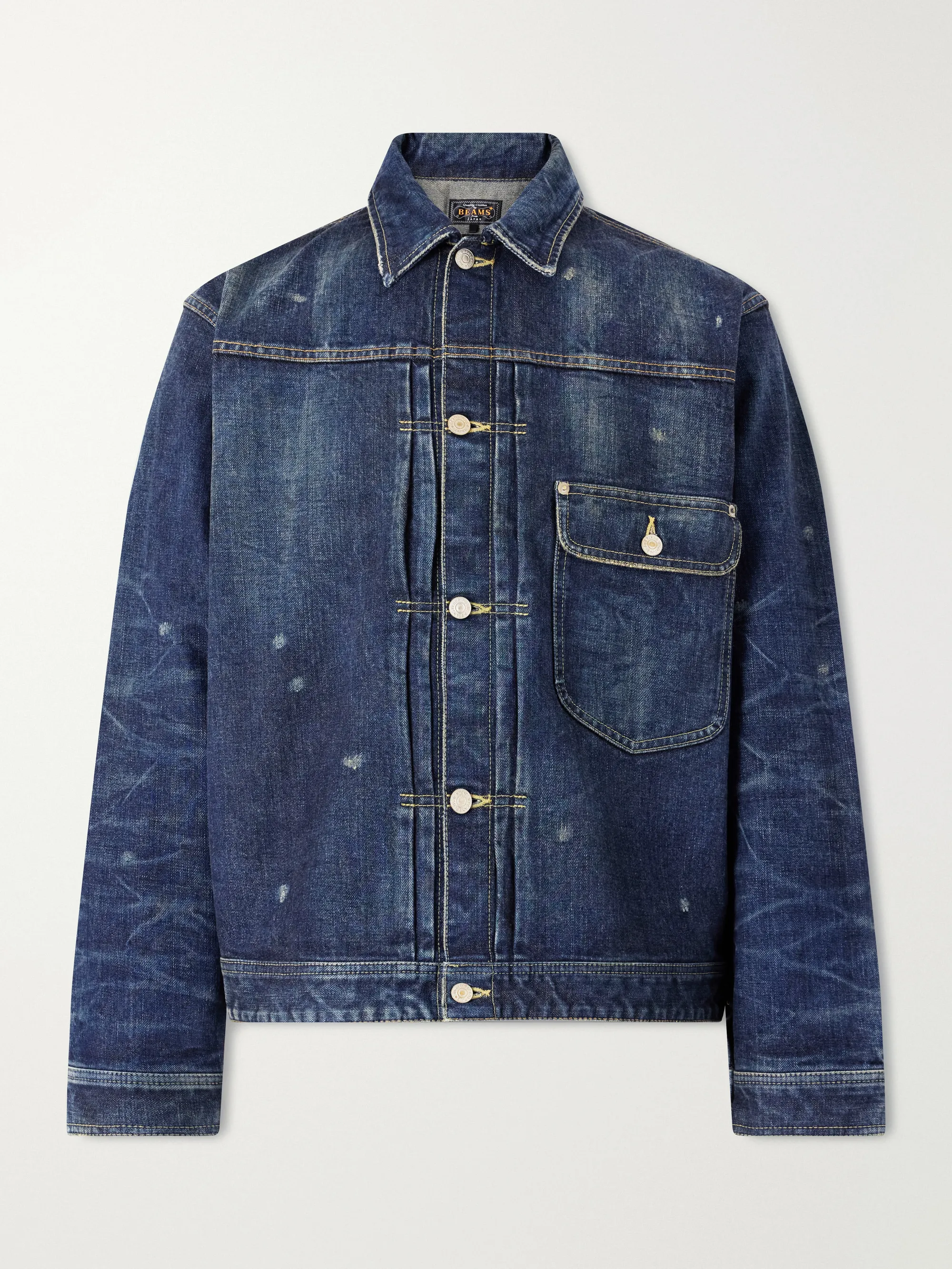
- 1 pair of dark denim
- 1 pair of tailored trousers, if your work or social life calls for it
Outerwear
- 1 versatile jacket that works for 80% of the year (a field jacket or overshirt does this well)
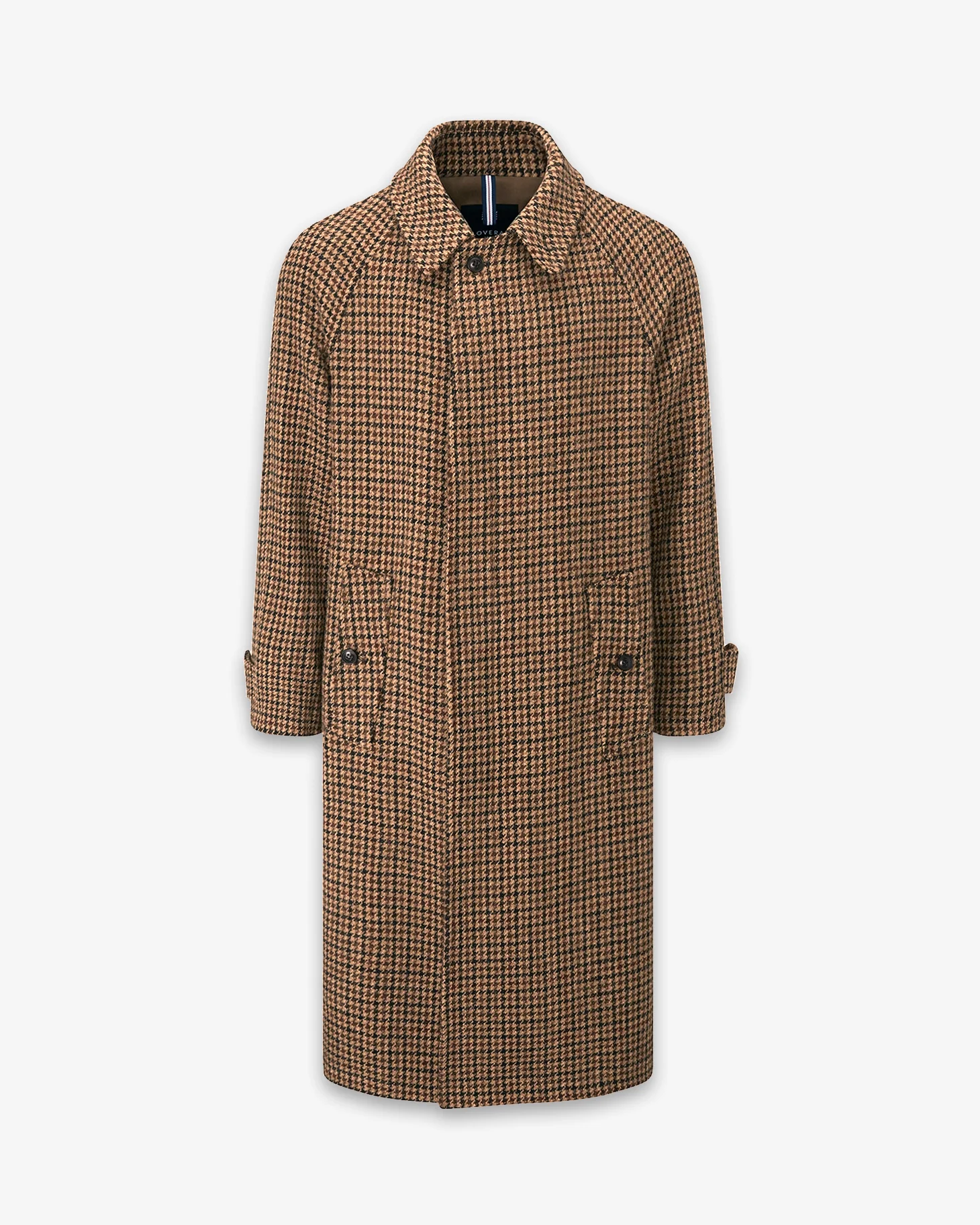
- 1 proper cold-weather coat — this is the piece worth spending the most on, since it's the one people see first (HAVEN's outerwear is a good reference point for build quality here)
Footwear
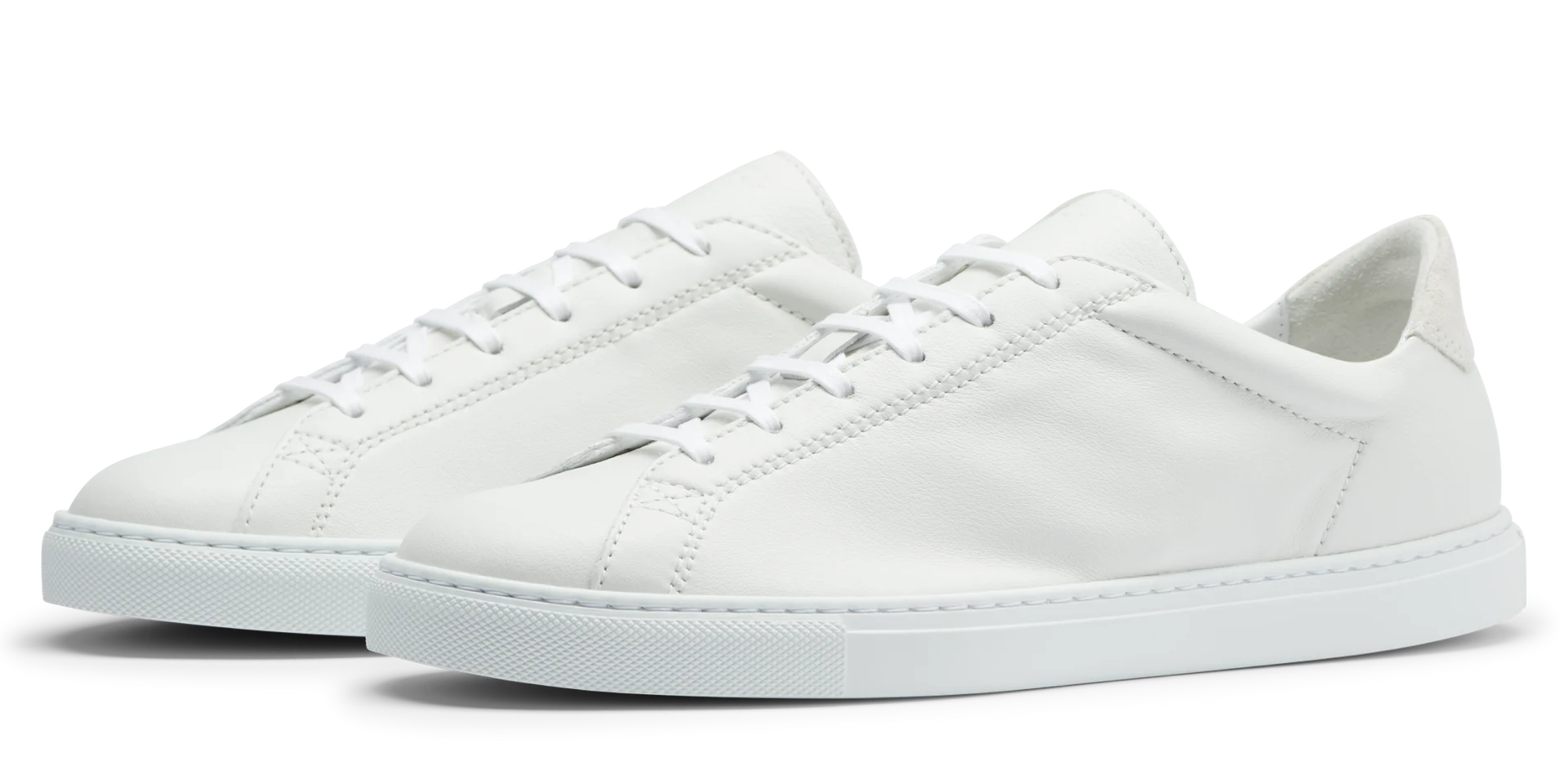
- 1 pair of white or minimal trainers
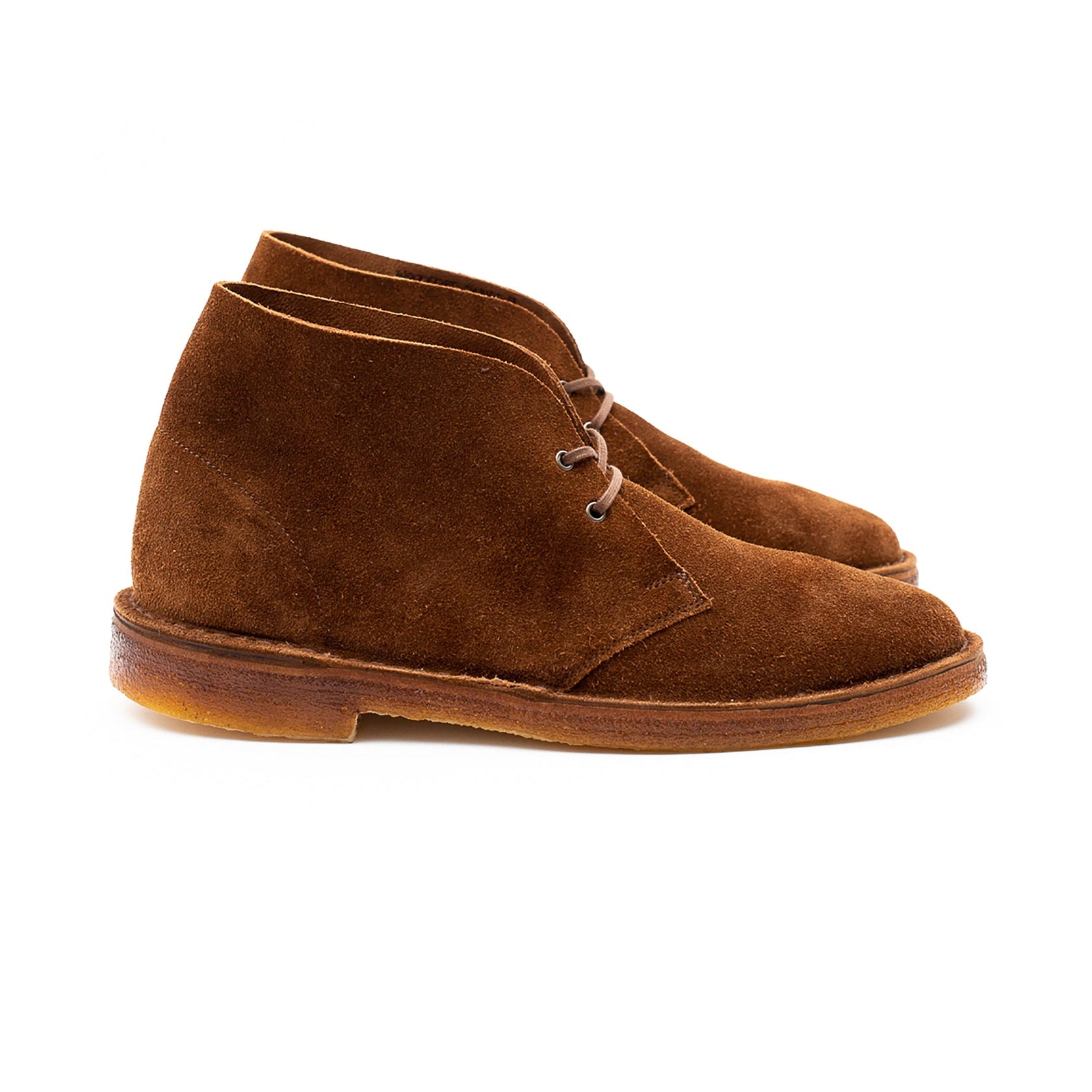
- 1 pair of versatile boots (chukka or Chelsea)
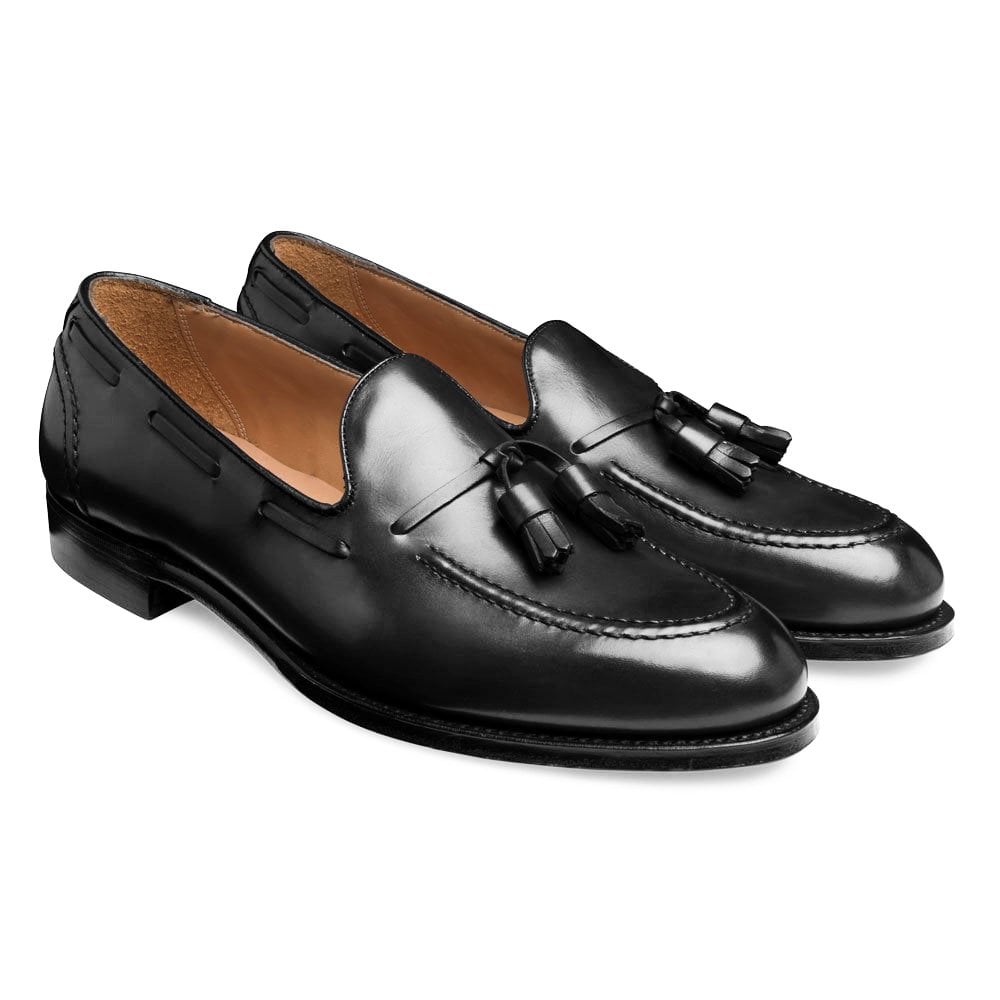
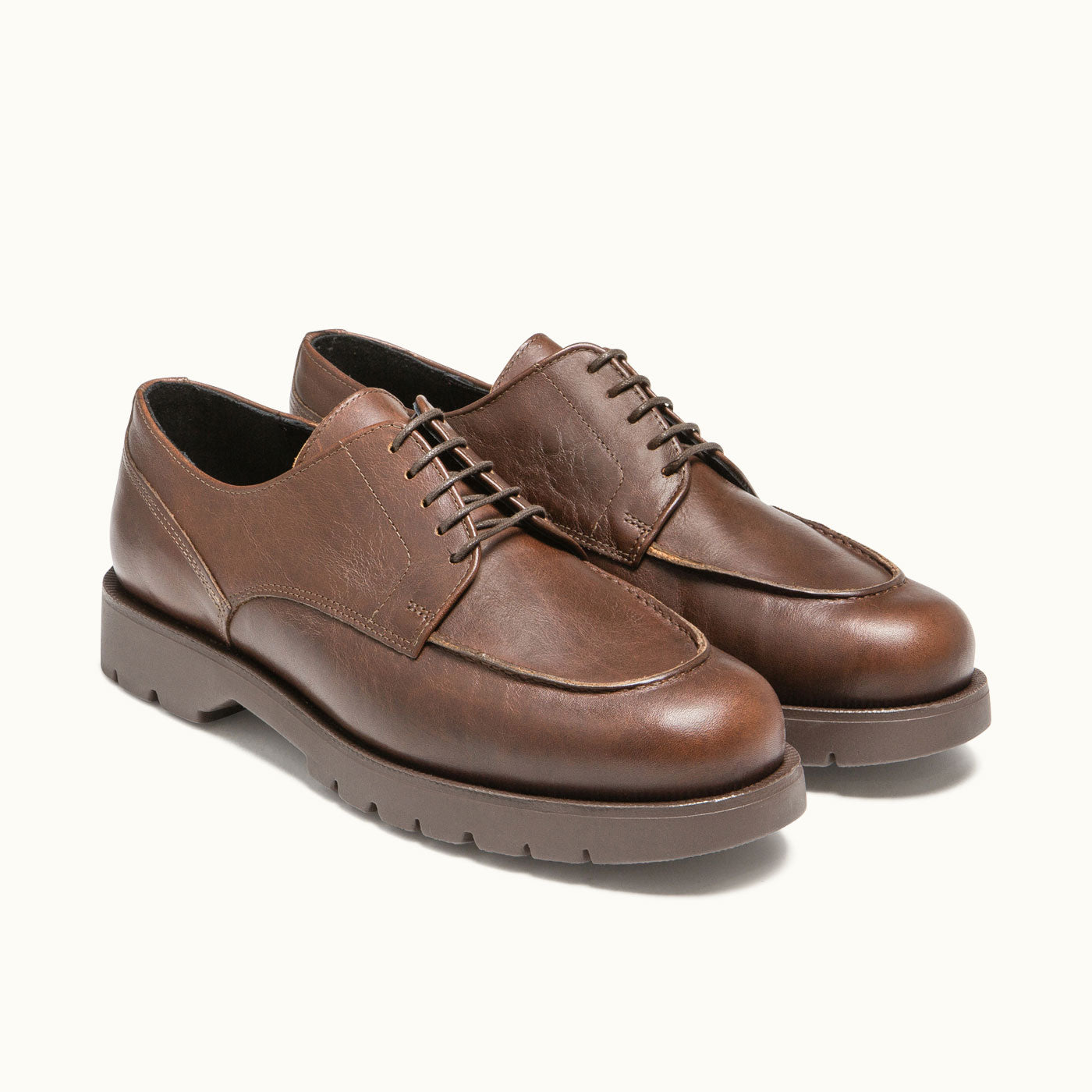
- 1 pair of loafers or derbies for anything smarter
Extras
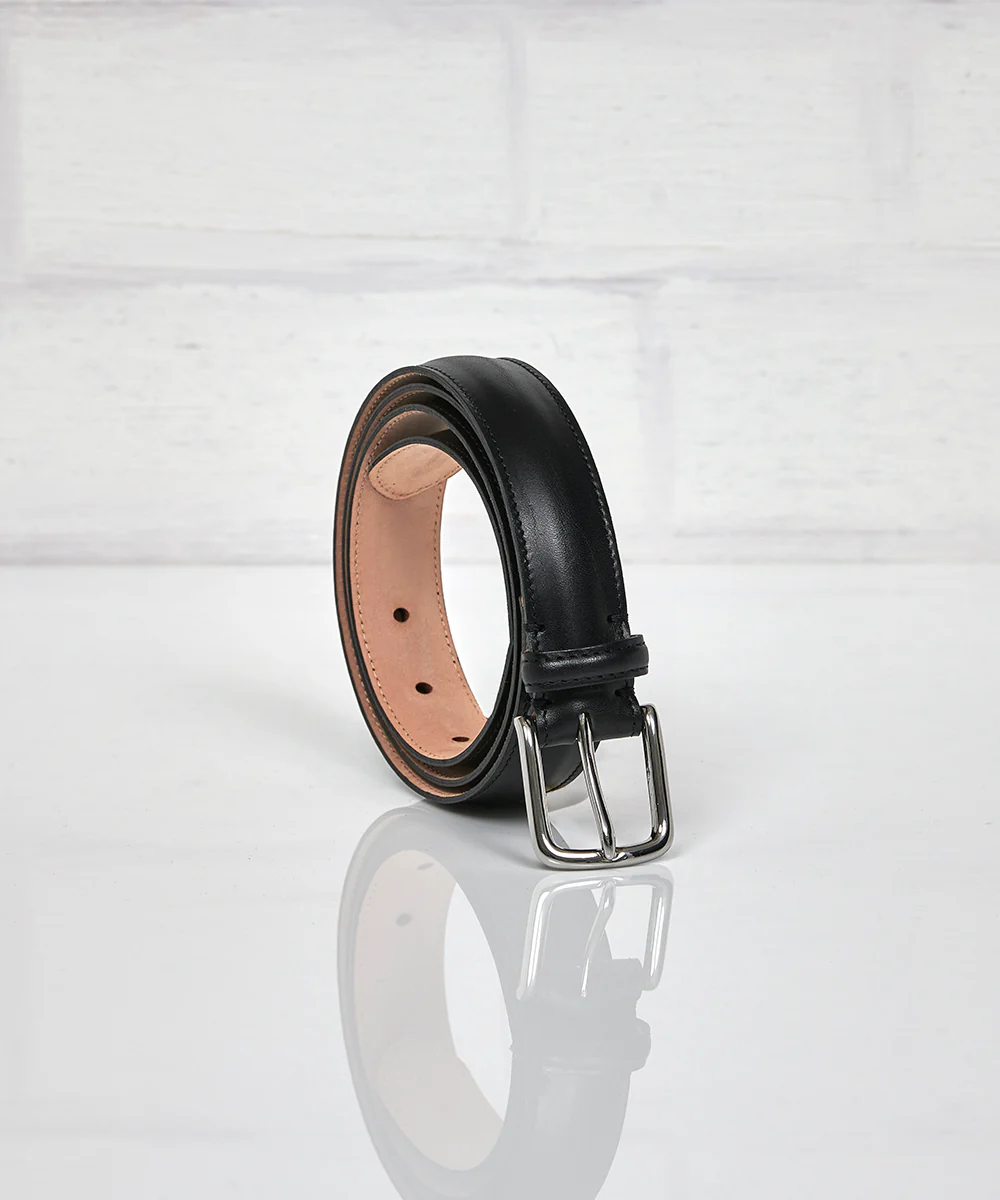
- A well-made leather belt in brown or black
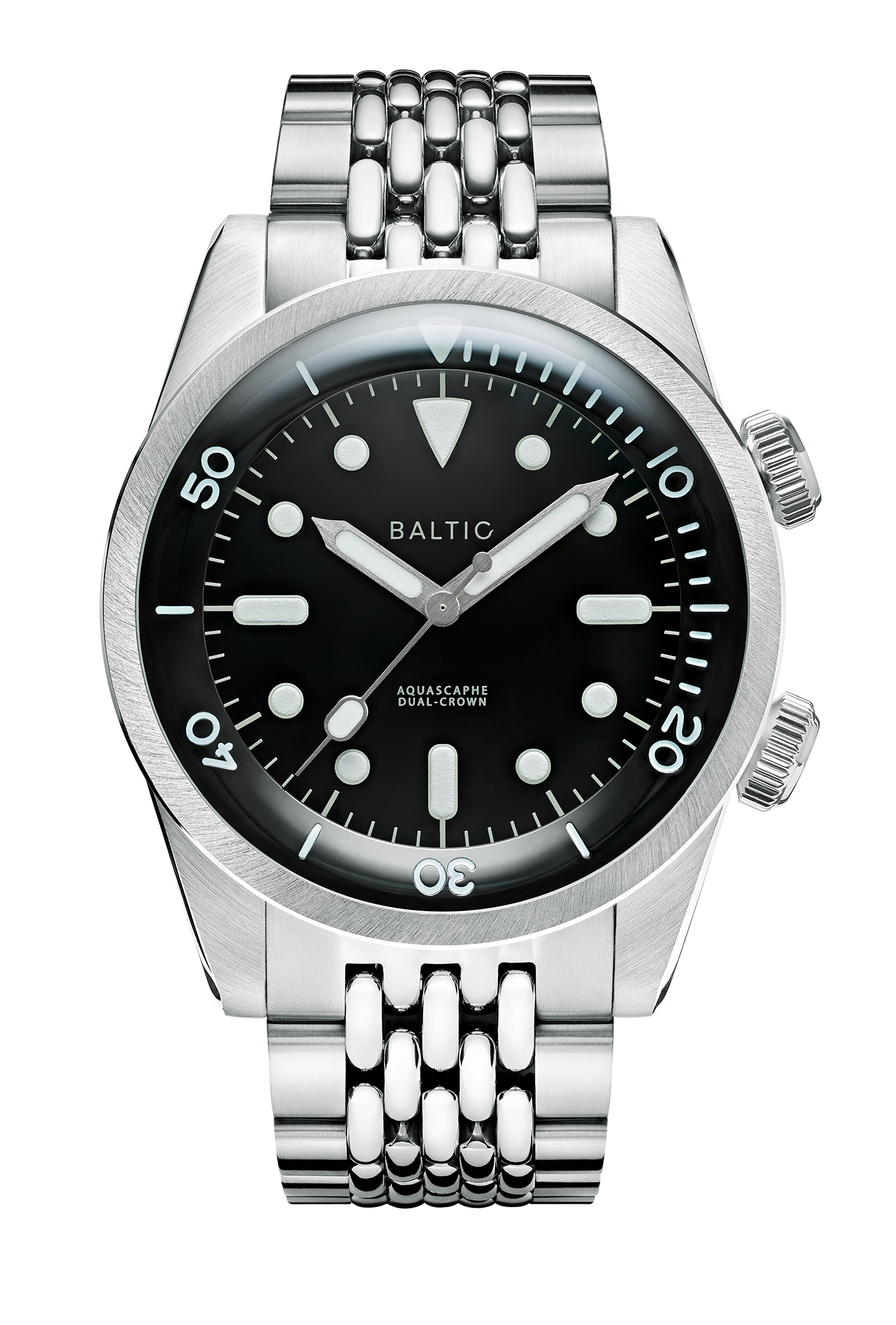
- A watch you'd wear with almost anything (see our [field watch guide](#) if you're starting from zero)
That's roughly 20-25 pieces. It sounds like a lot written out, but the point is that nearly all of them mix with each other — which is the actual test of a capsule, not the count.
Choosing Quality Over Quantity
The instinct when downsizing a wardrobe is to replace five cheap things with five cheap things. Don't. The entire logic of a capsule only works if you're buying fewer, better things — otherwise you've just got a smaller pile of stuff that wears out at the same rate.
A few practical filters:
- Check the fabric before the label. A £40 shirt in good cotton will outlast a £120 shirt in a poor blend. Learn to read a fabric composition tag before you learn to recognise a logo.
- Buy the best version of the thing you'll wear most. If you live in jeans, spend more on the jeans and less on the occasion-wear you'll reach for twice a year.
- Repairable beats replaceable. Leather goods, good boots, and well-made knitwear can be resoled, rewoven, and repaired. Fast-fashion basics generally can't — factor that into cost-per-wear.
Building Around Neutral Colours
The unglamorous truth about a capsule wardrobe is that it lives or dies on colour discipline. Stick to a palette of 3-4 core colours (navy, grey, white, and one accent like olive or burgundy) and almost everything you buy within it will work together automatically. Add colour through one piece at a time — a jumper, a pair of trousers — rather than trying to coordinate multiple bold pieces at once.
Seasonal Swap-Ins
A capsule wardrobe isn't static, it moves with the seasons, but the shift should be subtle:
- Summer: swap heavier knitwear and the cold-weather coat out of daily rotation; bring linen shirts and lighter trousers forward
- Autumn: reintroduce knitwear and a mid-weight jacket; this is when boots start earning their keep over trainers
- Winter: the proper coat comes out; scarves and heavier trousers do most of the temperature work
- Spring: ease back toward the summer rotation as the coat and heaviest knitwear go back in storage
The goal is a wardrobe where maybe 30% rotates seasonally and 70% works year-round.
Sample 20+ Piece Wardrobe
If you're starting from scratch, here's a good starting point to grow from:
1. White Oxford Shirt
2. Light Blue Oxford Shirt
3. White T-Shirt (x2)
4. Navy T-Shirt
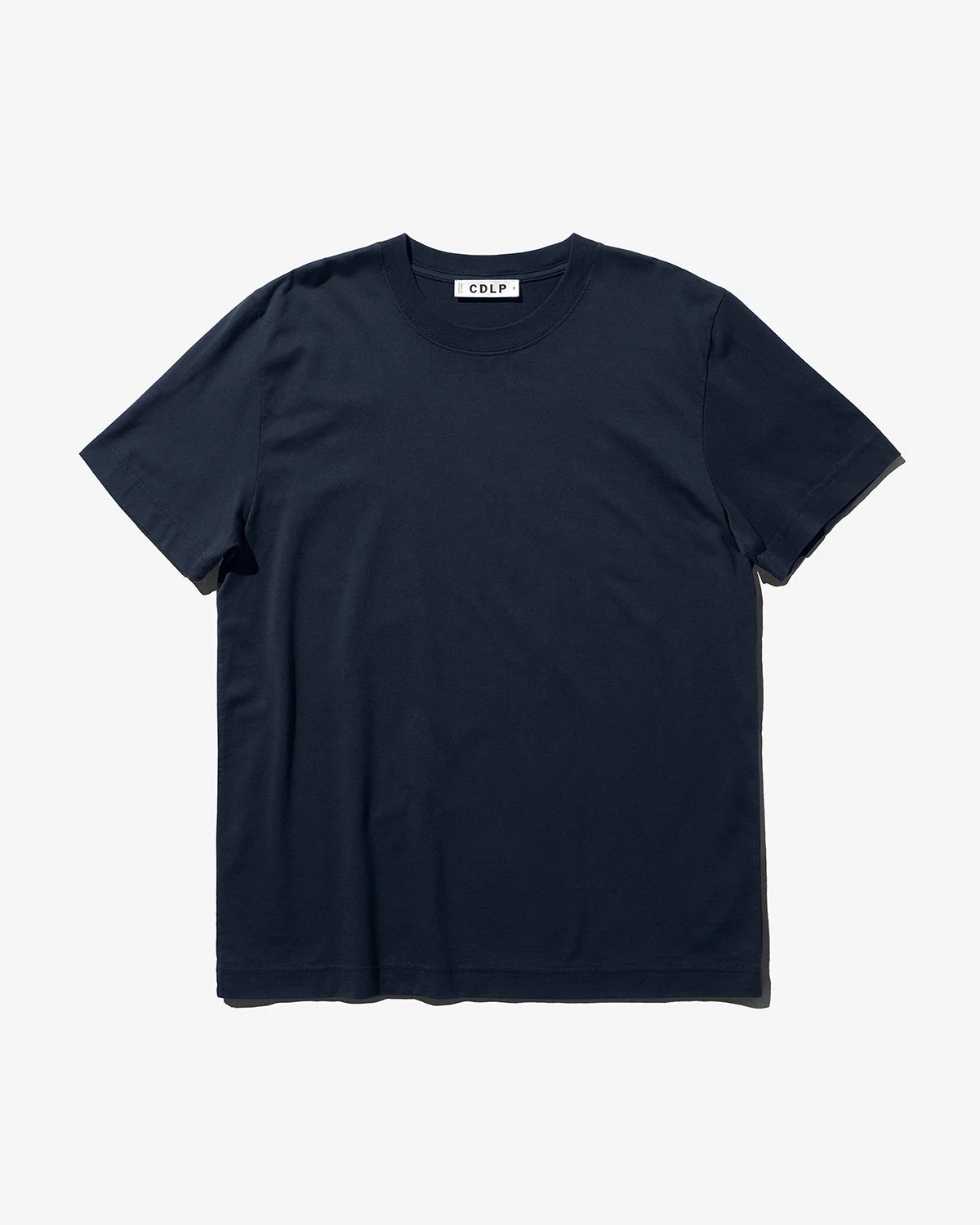
5. Grey T-Shirt
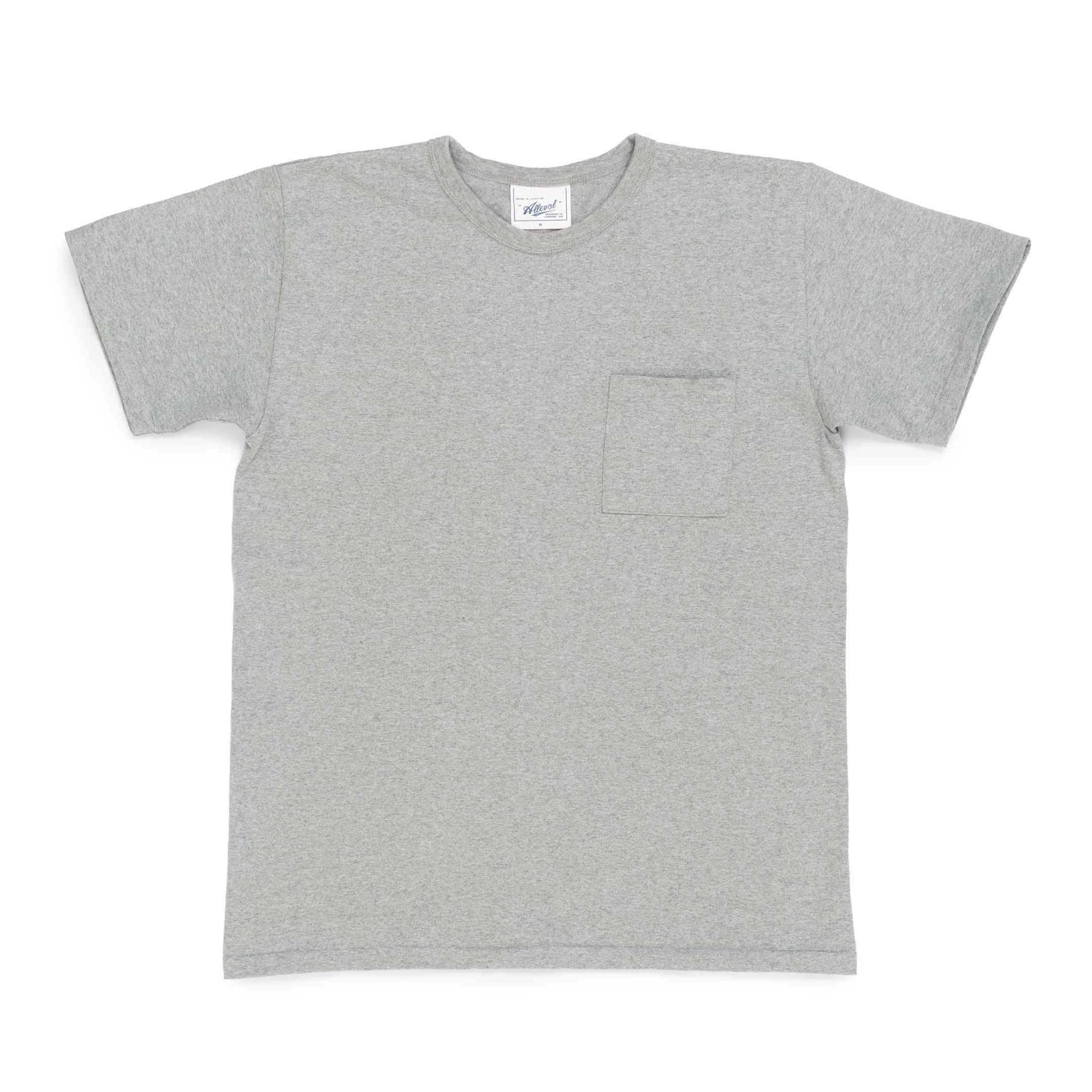
6. Polo Shirt
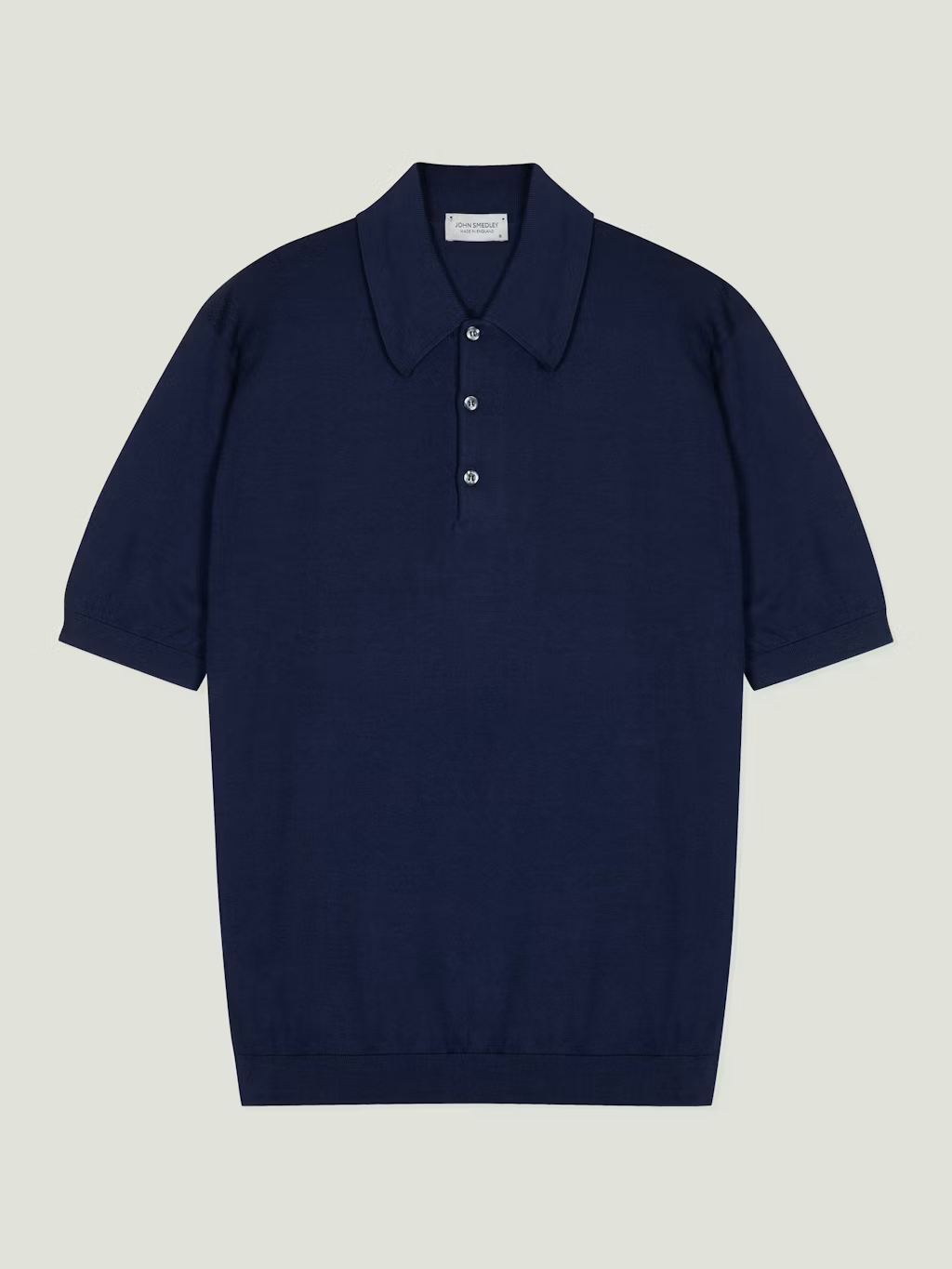
7. Lightweight Crewneck Jumper
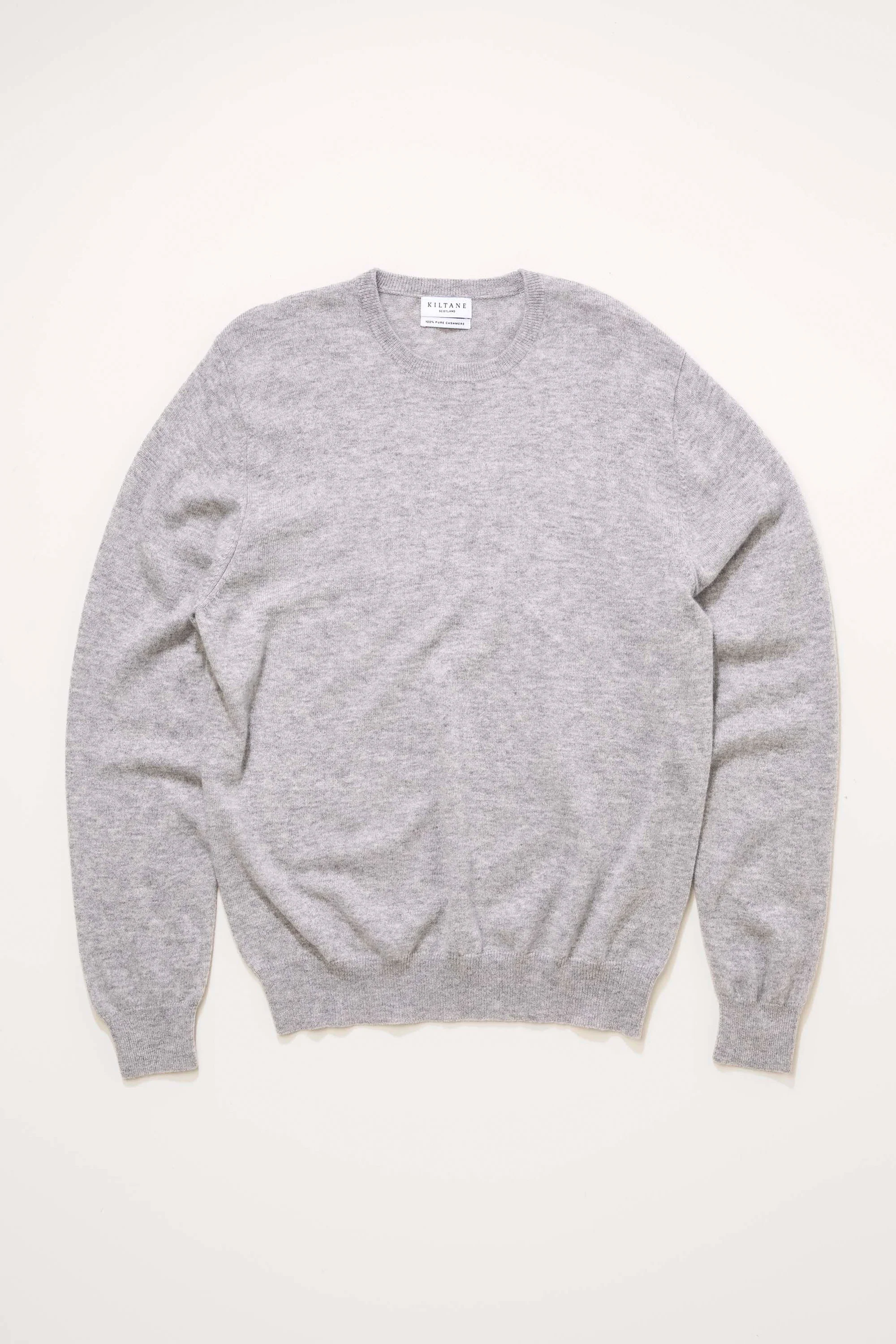
8. Chunky Wool Jumper

9. Chore Jacket
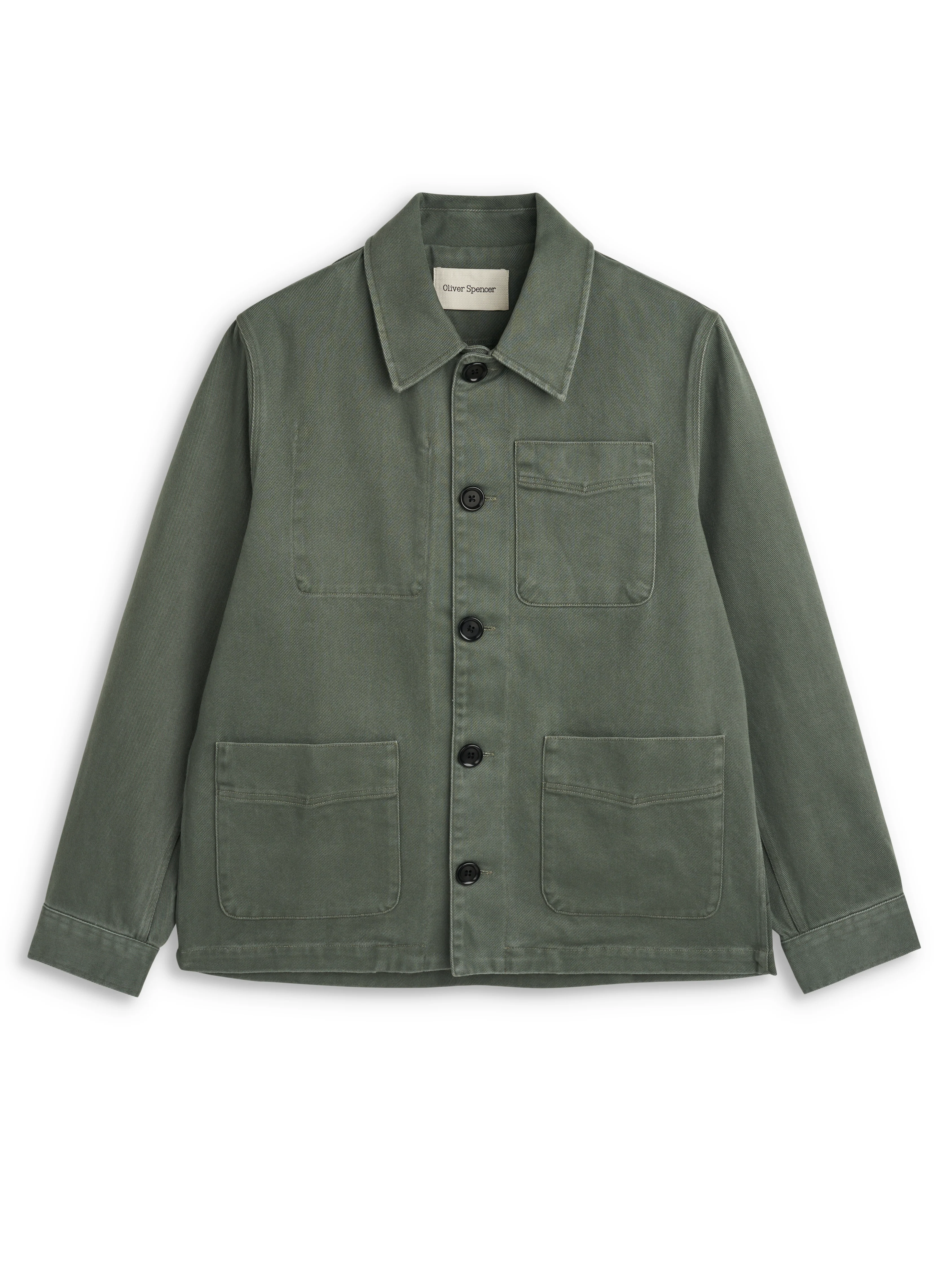
10. Selvedge Denim
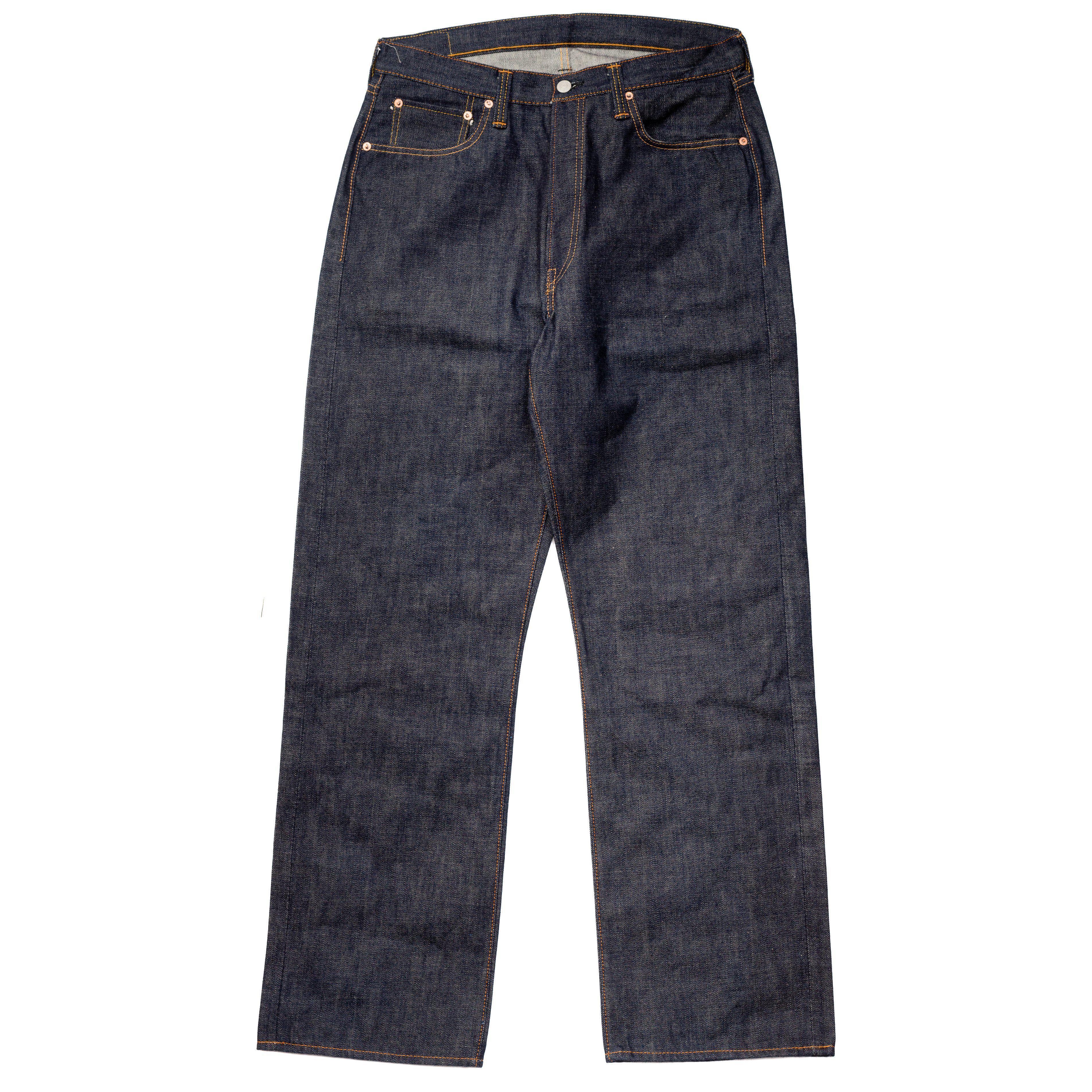
11. Chinos
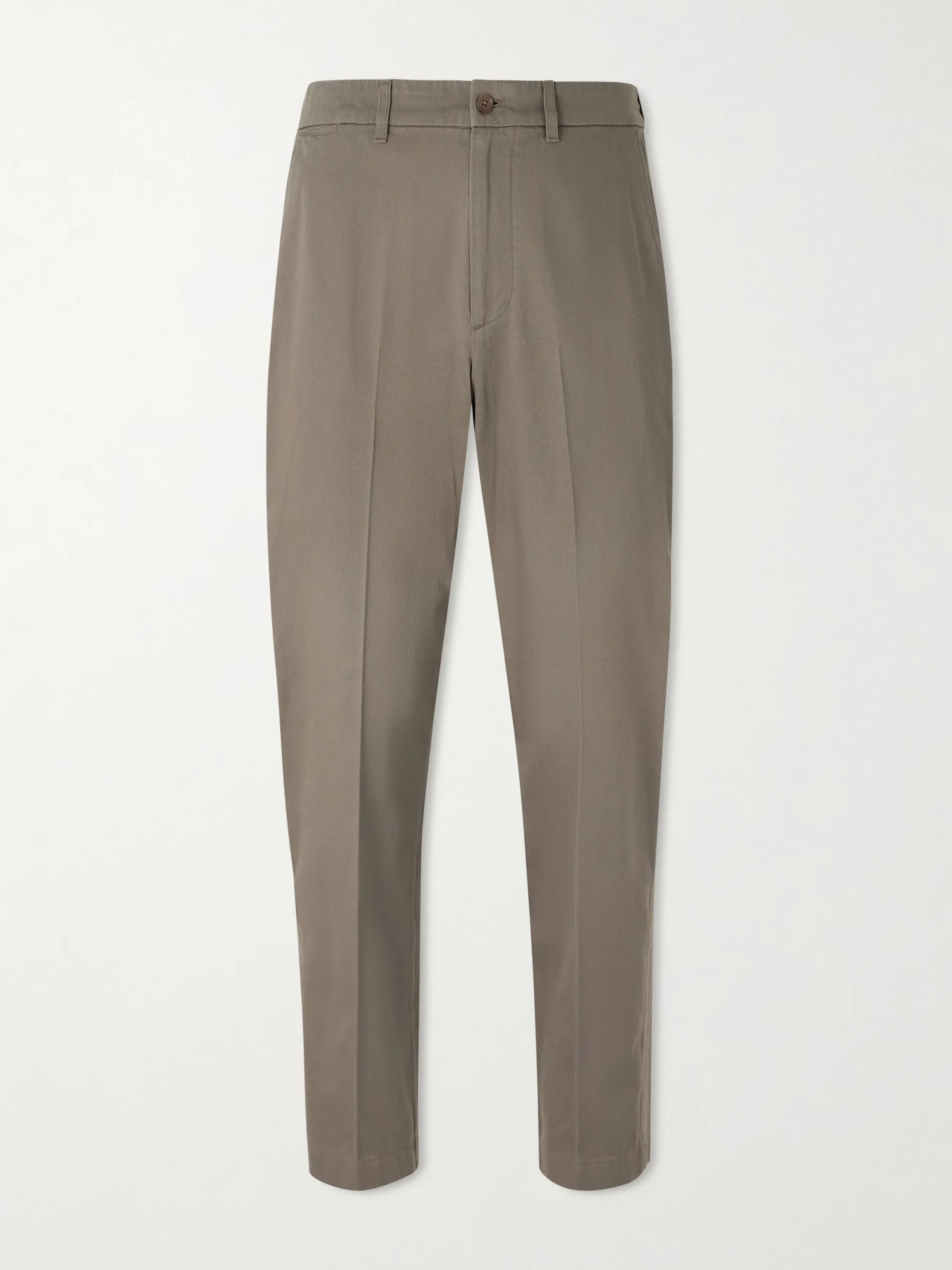
12. Grey Flannel Trousers

13. Versatile Field Jacket
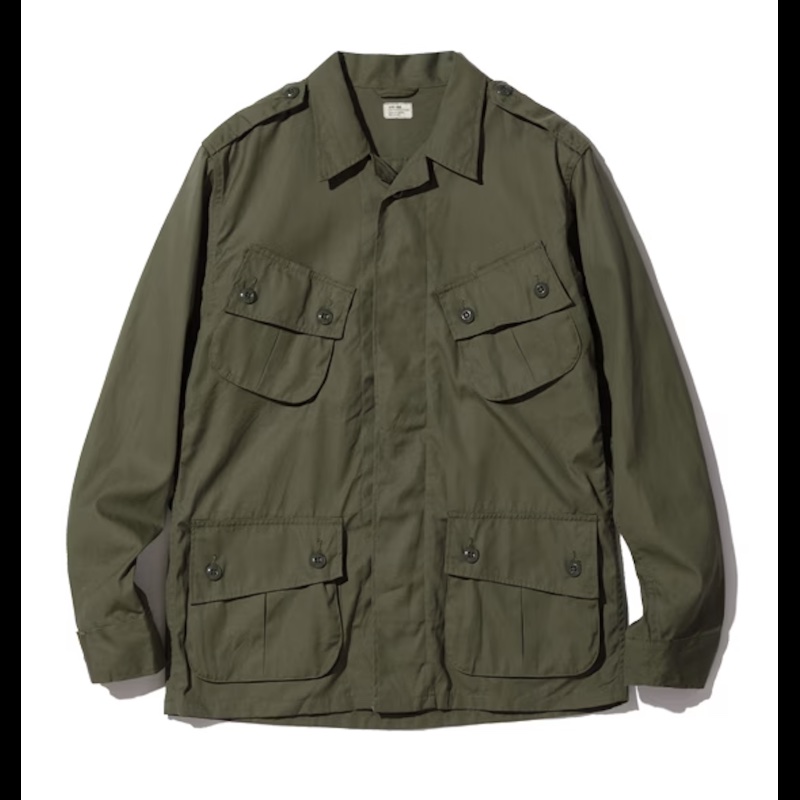
14. Denim Jacket
15. Proper Winter Coat
16. White Trainers
17. Chukka Boots
18. Loafers (Tassel or Penny)
19. Rubber Soled Derby Shoes
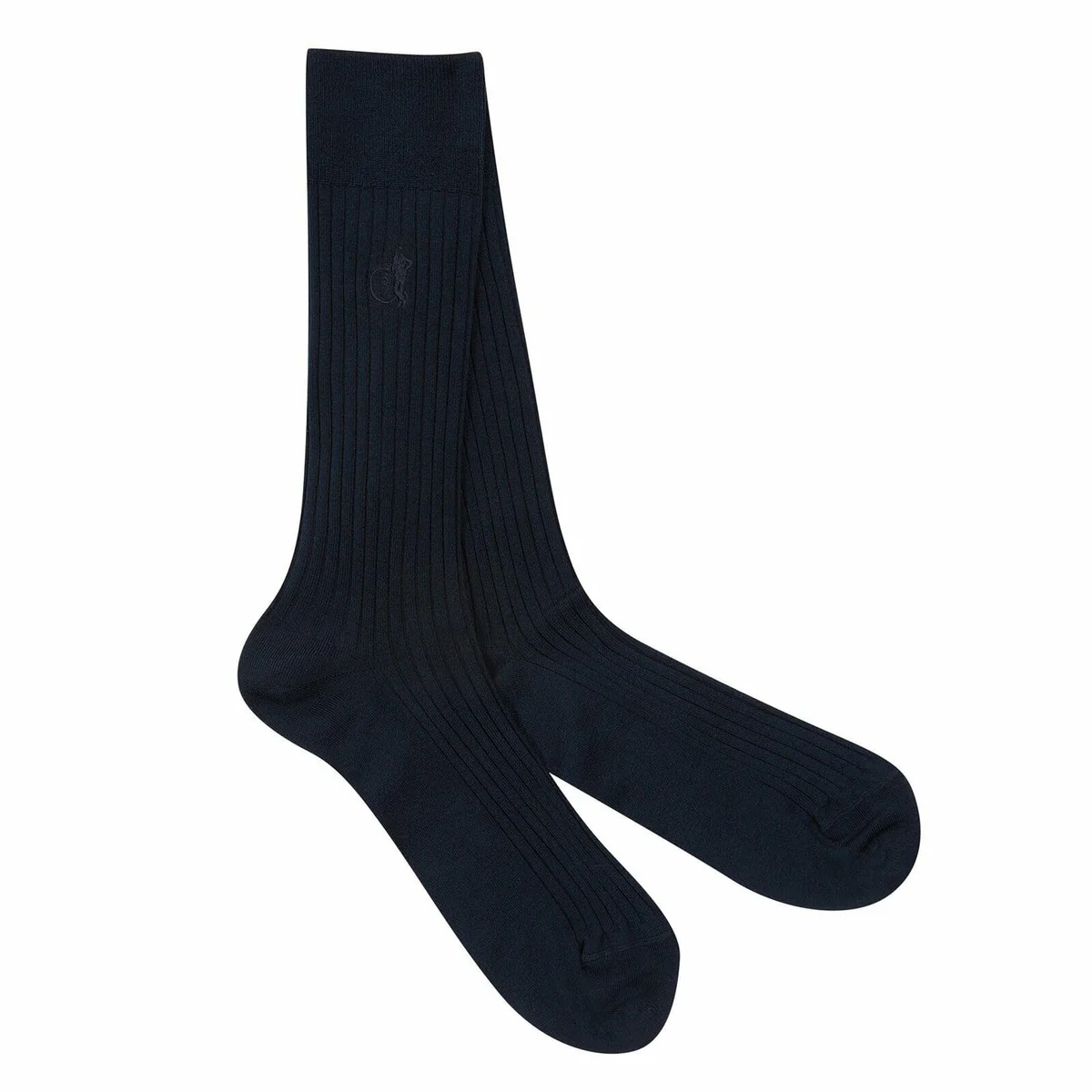
20. No-Nonsense Socks
Everything in that list mixes with at least four other items on it — which is the actual point of the exercise.
Extras
An Everyday Watch
A Leather Leather Belt
Where to Shop by Budget
- Building on a tight budget: start with fit and fabric basics from accessible retailers, and put your budget toward the coat and boots — the two pieces that show wear fastest and get seen most.
- Mid-range: this is where a brand like HAVEN earns its place. Well-made, functional pieces that aren't yet at the price-per-wear ceiling of luxury labels.
- Investment pieces: reserve splurges for the coat, the boots, and maybe one knitwear piece. These are the items that benefit most from real construction quality.
Final Take
A capsule wardrobe isn't about owning less for its own sake — it's about owning things that all talk to each other, so getting dressed stops costing you decision-making energy every morning. Start with the neutral base, spend where cost-per-wear actually justifies it, and let the wardrobe evolve gradually rather than trying to buy it all in one go.