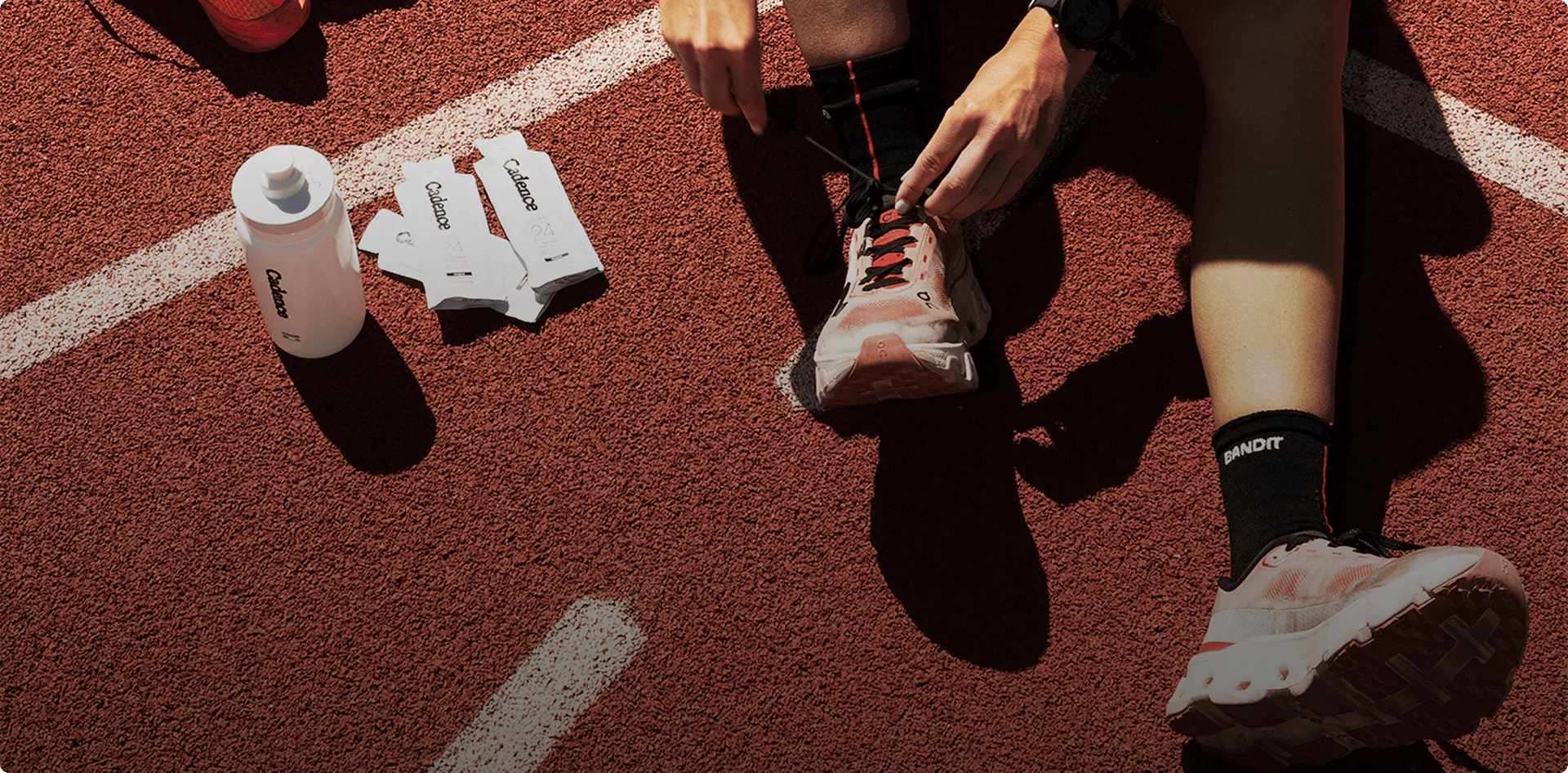
We touched on electrolyte basics in our hydration and fuelling guide — this is the deeper dive into the actual products, since "just drink water" genuinely isn't sufficient advice once a run stretches past an hour or the weather turns hot. Here's what electrolytes actually do, what to look for on a label, and how the brands people search for most compare.
What Electrolytes Actually Do, and Why They Matter After Exercise
Sweat isn't just water — it carries out sodium, potassium, magnesium, and smaller amounts of other minerals your body needs to maintain fluid balance, nerve signalling, and muscle function. Replacing water alone after a genuinely sweaty session can, in some cases, dilute your remaining sodium levels rather than restoring balance — which is part of why plain water isn't automatically the better choice for longer or hotter efforts, despite the intuitive appeal of "just rehydrate with water."
The specific benefits genuinely worth knowing:
Faster, more complete rehydration. Sodium specifically helps your body actually retain the fluid you're drinking rather than passing it straight through — this is the actual mechanism behind why an electrolyte drink can out-perform plain water for rehydration after a significant sweat loss, not just marketing language.
Reduced risk of cramping. While the science on electrolytes directly preventing cramps is more nuanced than most marketing suggests — dehydration and fatigue both play a role too — genuine sodium and magnesium depletion is a real, documented contributor to exercise-associated cramping, particularly in hot conditions or during long efforts.
Supporting nerve and muscle function generally. Potassium and magnesium both play a genuine role in muscle contraction and nerve signalling — a real, physiological reason to prioritize replacement after a session substantial enough to meaningfully deplete them, not just a supplement-industry talking point.
Practical convenience over food-based replacement. You can replace lost electrolytes through food and water alone, but a well-formulated drink mix does it faster and more precisely after a session where you want to rehydrate efficiently rather than wait for a full meal.
What to Actually Look For on a Label
Sodium content varies enormously between brands — anywhere from roughly 200mg to over 1,000mg per serving. Heavier sweaters, hotter conditions, and longer efforts generally justify a higher-sodium option; shorter, cooler, more casual sessions need considerably less.
Sugar content is a genuine trade-off, not simply good or bad. A small amount of sugar (specifically glucose) can actually improve sodium and fluid absorption through a mechanism called sodium-glucose cotransport — useful during longer efforts where you also need carbohydrate fuel. For shorter recovery-focused rehydration, a zero-sugar option avoids unnecessary calories without meaningfully compromising rehydration.
Isotonic, hypotonic, and hypertonic describe a drink's concentration relative to your blood. Isotonic drinks (roughly 270-300 mOsm/L) are generally considered optimal for simultaneous hydration and absorption speed. Hypertonic drinks (many high-sodium, zero-sugar mixes fall here) can absorb more slowly and occasionally cause GI discomfort during hard efforts, though they're often fine for post-exercise recovery rather than mid-run consumption specifically.
Flavour and tolerability matter more than the spec sheet. The best-formulated electrolyte mix does nothing for you if you don't actually want to drink it consistently — this is a genuinely underrated factor in choosing between brands.
The Brands
LMNT
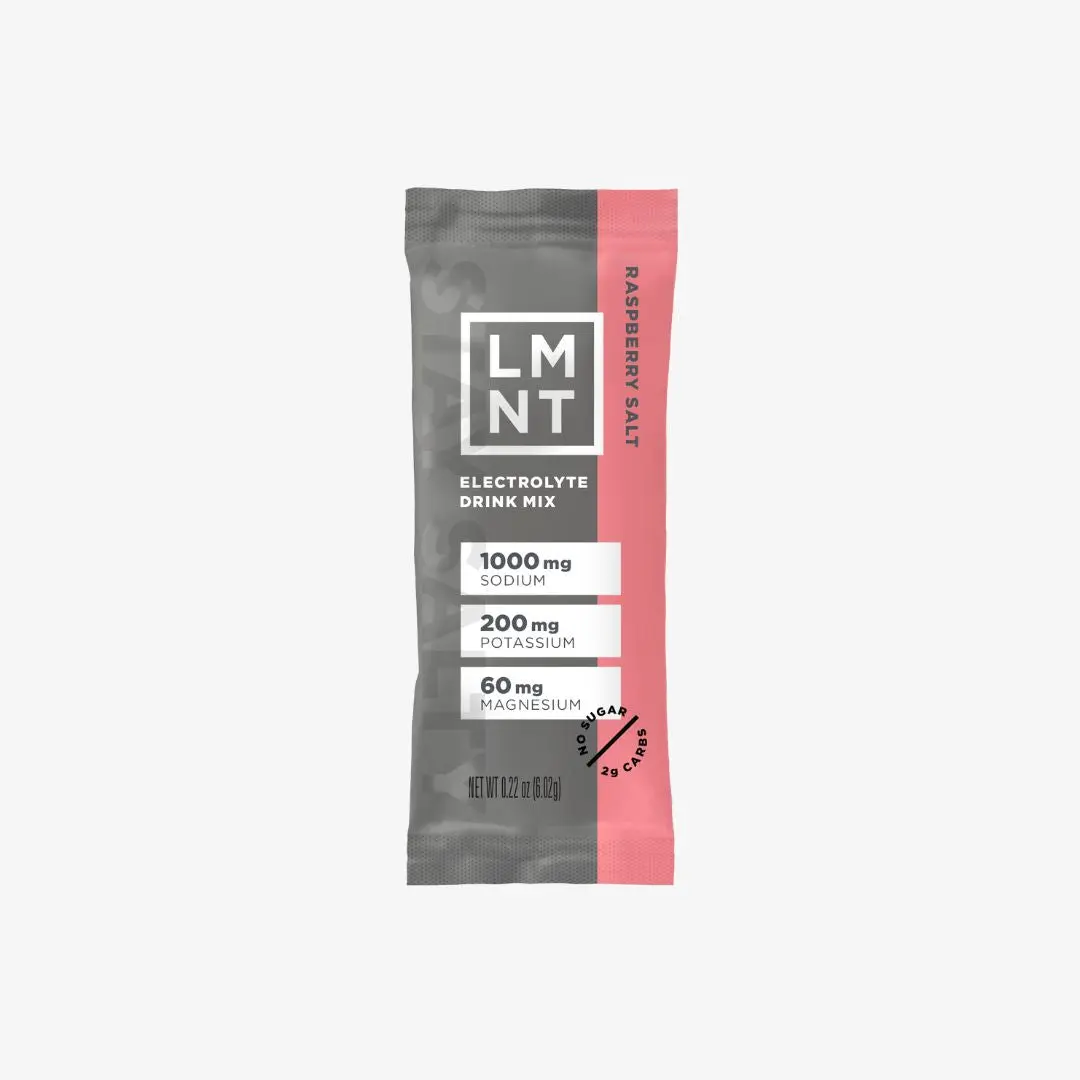
Founded in 2018 in Bozeman, Montana, by biochemist Robb Wolf, LMNT built its entire identity around an unapologetically high-sodium formula — 1,000mg sodium, 200mg potassium, and 60mg magnesium per stick, zero sugar, sweetened with stevia. The brand's "Stay Salty" positioning and its "Salty Science" educational content have made it a genuine reference point in the category, particularly for heavy sweaters, keto/low-carb dieters, and anyone training in serious heat. Worth knowing: LMNT's concentration is hypertonic, meaning it's generally better suited to post-exercise rehydration than sipping during a hard, fast effort where GI comfort matters more.
Best for: heavy sweaters, hot-weather training, and anyone on a low-carb diet who still needs serious sodium replacement
Shop LMNT →
Humantra
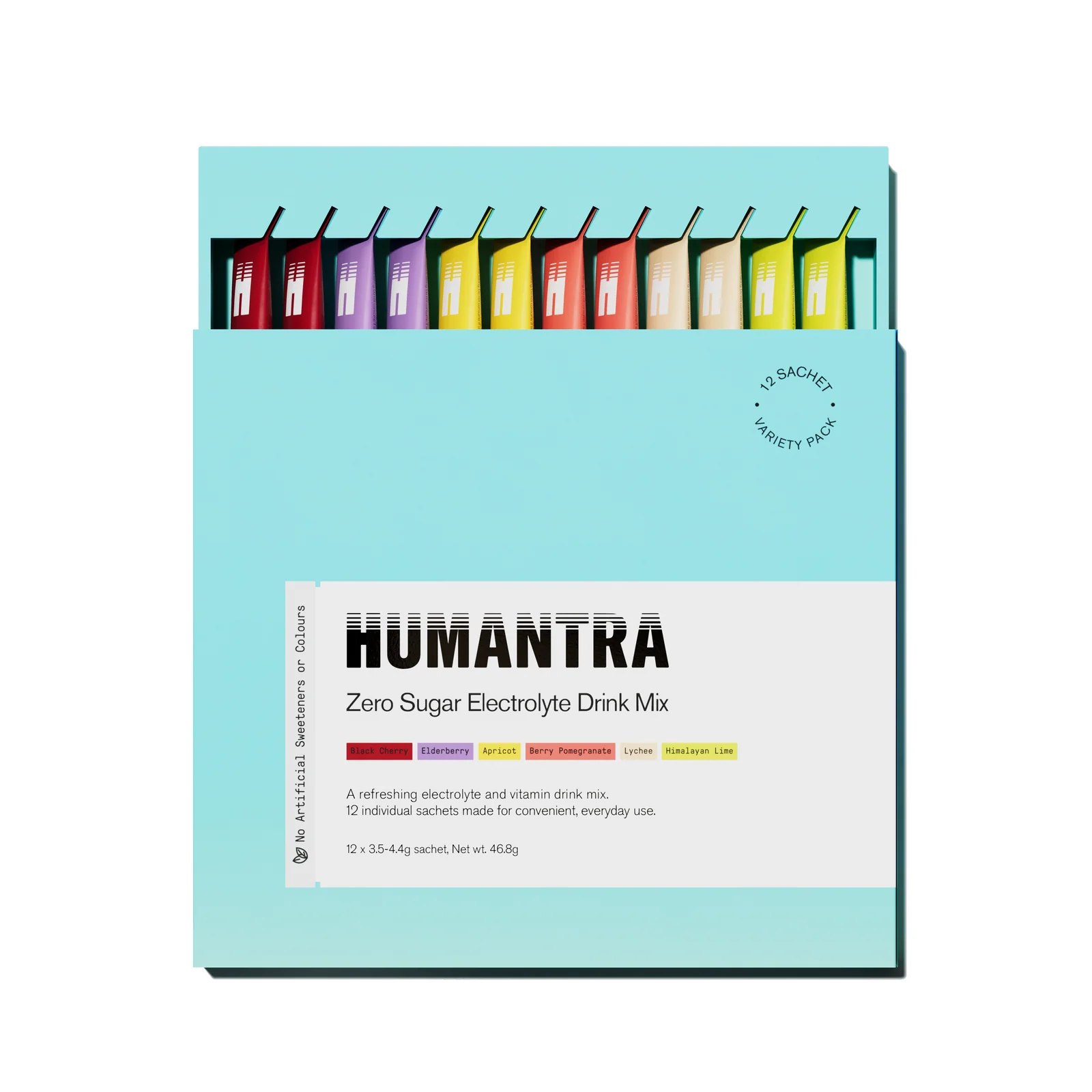
A newer entrant that's generated genuine buzz, delivering 680mg of sodium per serving from a sodium chloride and sodium citrate blend — a meaningfully lower dose than LMNT, sitting in a more moderate middle ground. Independent reviewers have generally found it performs solidly without standing out dramatically from established competitors, and it's worth noting some marketing claims around performance benefits go beyond what independent reviewers found the evidence fully supports — a reasonable, competent option, but worth comparing directly against LMNT or Cadence before assuming it's a clear step up.
Best for: a moderate-sodium alternative to LMNT's more extreme formula
Shop Humantra →
Precision Hydration
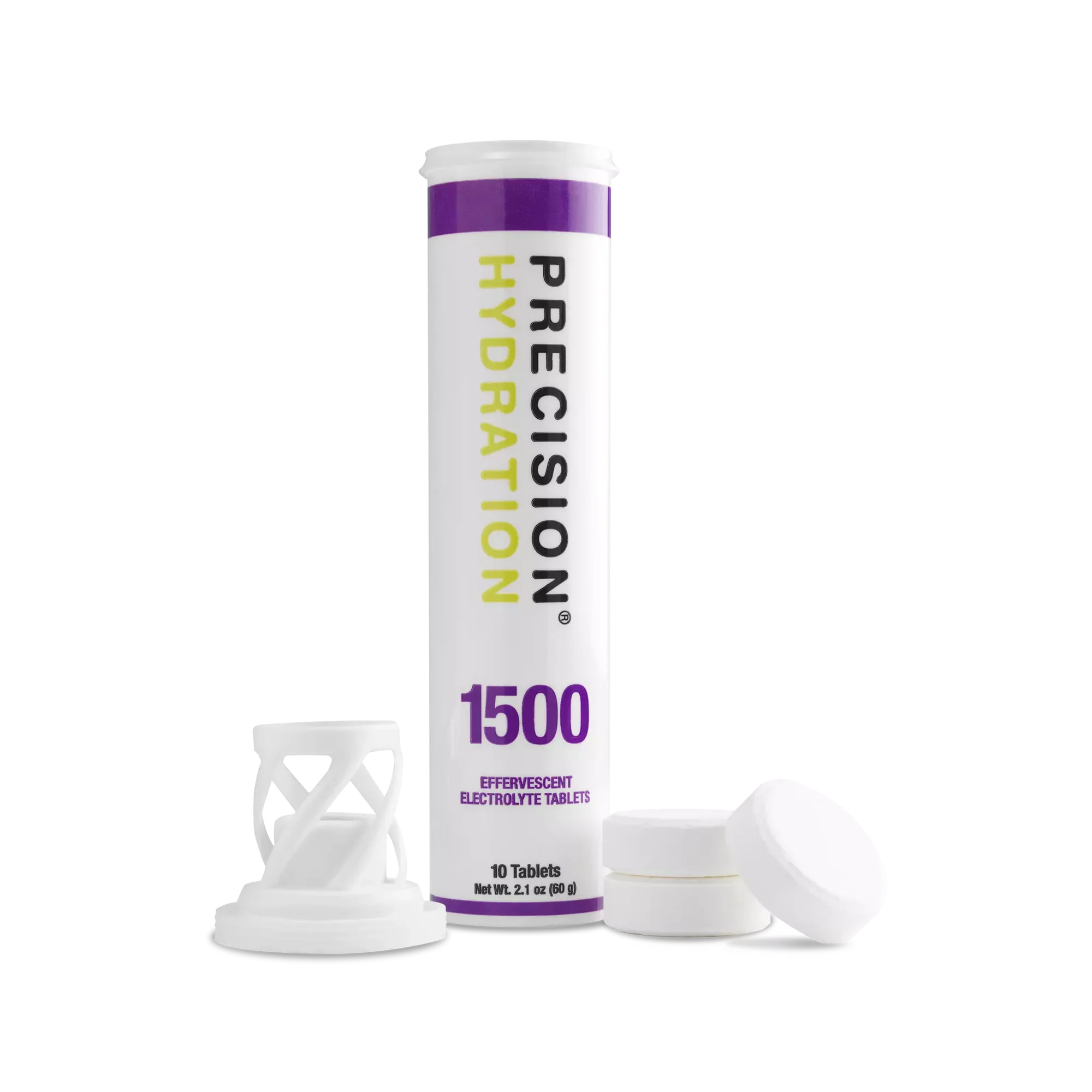
Precision Hydration, also UK-based, takes a genuinely distinctive approach — offering a free online sweat-loss questionnaire (and paid sweat testing) to help you identify your actual, individual sodium loss rate, then recommends a specific product strength (ranging from 250mg to 1,500mg sodium per serving across their range) based on your own physiology rather than a one-size-fits-all formula. Worth serious consideration if you're a genuinely heavy or salty sweater and generic advice hasn't solved recurring cramping or fatigue issues.
Best for: a moderate-sodium alternative to LMNT's more extreme formula
Shop Precision Hydration→
Cadence
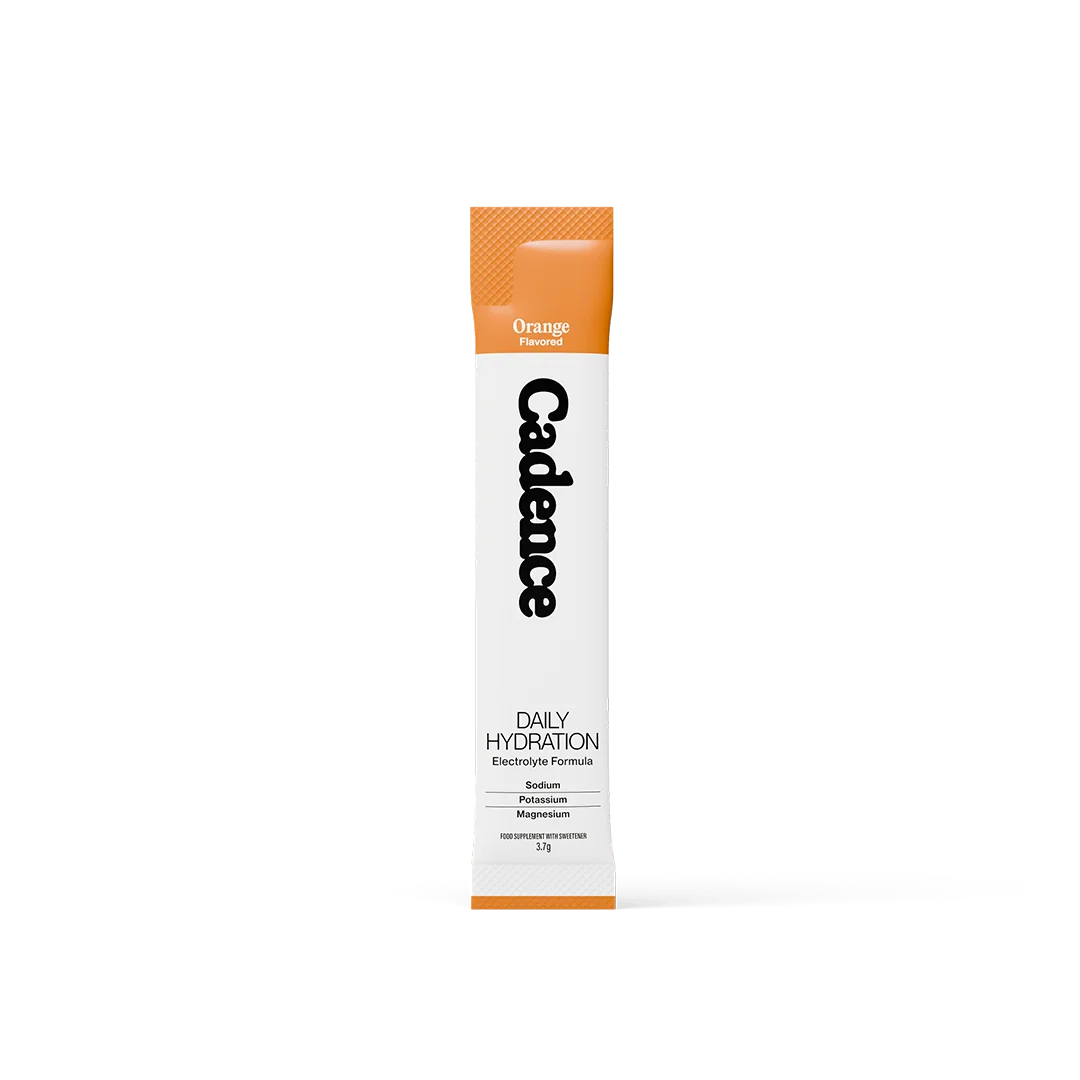
Cadence takes a slightly different structural approach. Rather than one product, it launched with a three-part daily system: Core (500mg sodium, 190mg potassium, 30mg magnesium, zero sugar, lightly carbonated, for everyday hydration), Race (a zero-calorie exercise fuel with caffeine and L-theanine), and Recover (a sleep-focused blend with amino acids and adaptogens). This maps hydration to different points in an athlete's day rather than offering a single all-purpose mix, and the brand backs its formulation choices with a genuinely science-forward content library rather than just marketing claims.
Best for: anyone who wants a structured hydrate/perform/recover system rather than a single product
Shop Cadence →
STYRKR
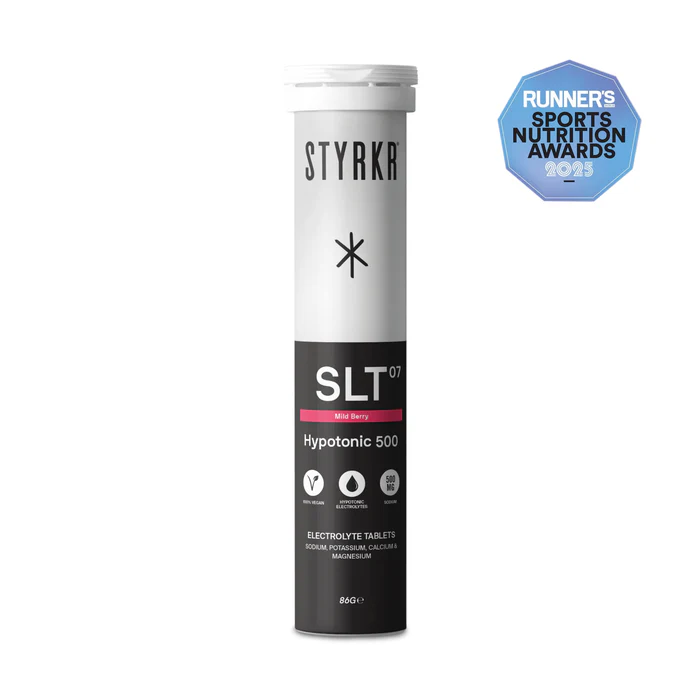
A UK brand (the name, pronounced "stir-kuh," means "strength" in Old Norse) built specifically around matching electrolyte replacement to actual sweat composition rather than a generic formula. Its SLT07 hydration tablet is a genuine standout in the category — a quad-blend formula (sodium, potassium, magnesium, and calcium) delivering 1,000mg of sodium per tablet, with a clever dual-dosage design that lets you use a full tablet for heavy sweating or hot conditions, or snap it in half for milder sessions. Fully vegan, allergen-free, and manufactured in the UK, and the brand donates 1% of profit to FareShare, a UK food redistribution charity. Beyond hydration tablets, STYRKR's wider range covers dual-carbohydrate energy gels, drink mixes, and bars, all built around the same "reduce gut discomfort, maximise absorption" philosophy.
Best for: a science-forward, adjustable-dose hydration tablet, and a strong pick for vegan athletes specifically
Shop STYRKR →
OTE Sports
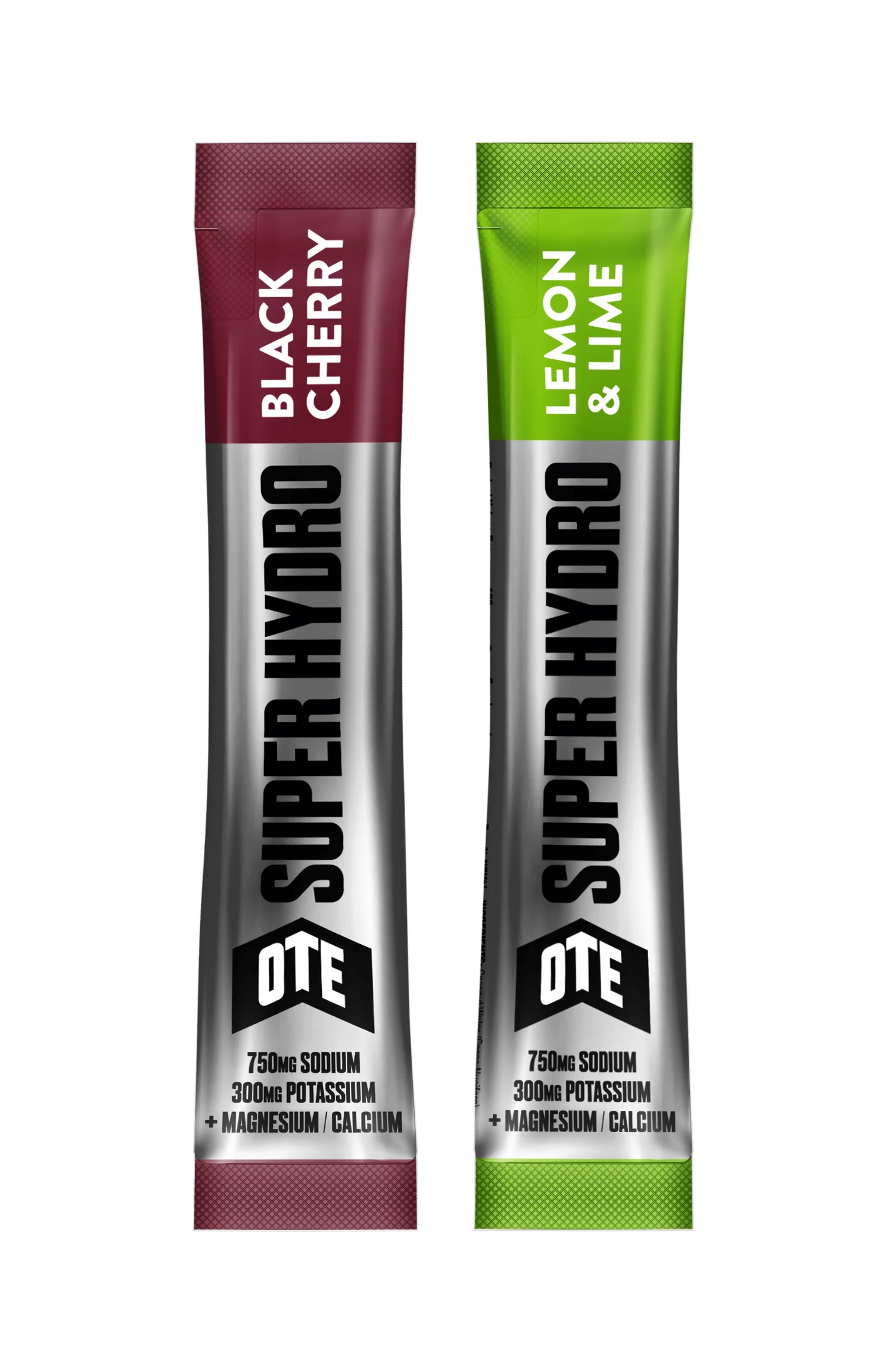
A UK brand that's built a strong reputation specifically on being reliable, straightforward, and good value rather than chasing premium positioning — the Hydro Tabs are simple, low-calorie, and easy to keep stocked for regular training rather than positioned as a performance splurge. Not the most exciting option on this list, but a genuinely sensible everyday choice, particularly for UK-based runners and cyclists who want a no-fuss tablet rather than a powder or sachet.
Best for: everyday training hydration without a premium price tag
Shop OTE →
Veloforte
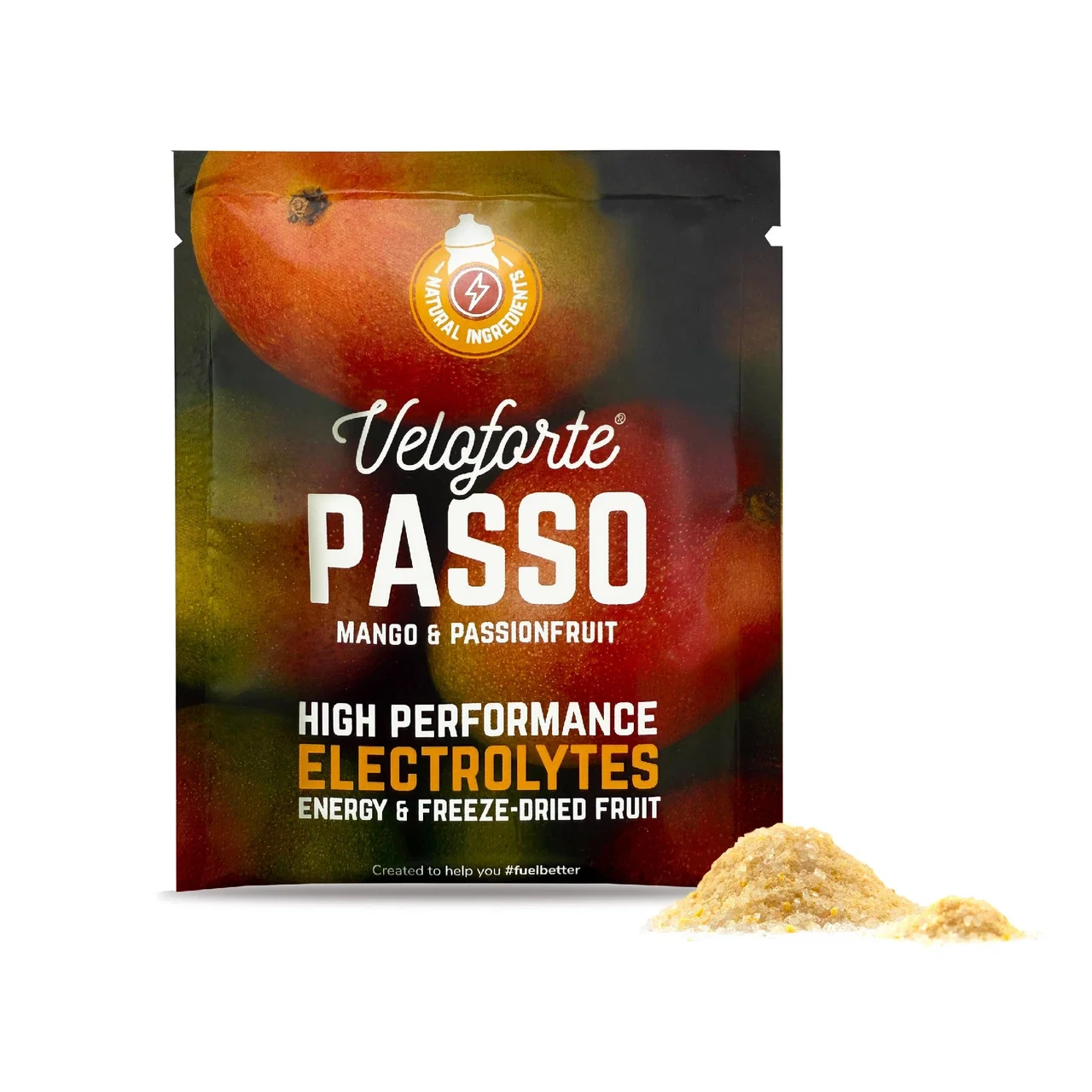
An Italian-inspired UK brand that leans hard into natural ingredients — sodium sourced from pink Himalayan salt, naturally flavoured with freeze-dried fruit rather than artificial flavouring, across a four-product range (Solo, Vivo, Passo, and Attivo) that scales from pure electrolyte replacement up to a caffeinated version with 75mg of caffeine for harder efforts. Genuinely the most premium-positioned brand on this list, and priced accordingly — better suited to being a considered part of a training nutrition plan than an everyday hydration tablet.
Best for: natural ingredients and a more premium, considered approach, particularly for cycling and longer endurance efforts
Shop Veloforte →
Some More Worth Knowing
Skratch Labs, out of the US, built its reputation on a lower-sodium, higher-carbohydrate formula explicitly modelled on the composition of sweat itself, aimed at replacing what's genuinely lost during exercise rather than an arbitrary high-sodium formula. A strong pick for anyone who wants their electrolyte drink to double as meaningful mid-run fuel. Shop Skratch Labs here
Science in Sport (SIS), a well-established UK brand, is worth knowing purely for how widely it's used at an elite level — the brand has supplied nutrition to professional cycling teams and endurance athletes for years, and its Hydro tablets and GO Electrolyte range are a genuinely safe, easy-to-find option across UK sports shops and supermarkets, if convenience and proven track record matter more to you than a novel formula or DTC-only availability. Try Science in Sport Hydro tablets here
Sodii, an Australian wellness brand, takes a distinctive approach worth knowing about — its Everyday Hydration Salts are built around Lake Deborah Salt, a mineral-rich salt harvested from a genuinely ancient (roughly five-million-year-old) lake bed in Western Australia, delivering 1,000mg sodium, 210mg potassium, and 70mg magnesium per sachet with under 0.5g of sugar. It's positioned more as an everyday wellness habit than a purely performance-driven sports product, and has built a strong following among people managing conditions like POTS (postural orthostatic tachycardia syndrome) alongside athletes — worth a look if you want an electrolyte supplement that fits into daily life generally, not just around workouts specifically. Check out Sodii here
How to Actually Choose
- You're a heavy sweater or train in serious heat: LMNT or the higher end of Precision Hydration's range
- You want a moderate, everyday option without extreme sodium levels: Cadence Core or Humantra
- You want a simple, no-fuss, budget-friendly tablet for regular training: OTE
- You want natural ingredients and don't mind paying a premium: Veloforte
- You genuinely don't know your own sweat rate or sodium loss: Precision Hydration's sweat test is worth the investment before guessing
- You want hydration and fuelling combined in one product: Skratch Labs
A Note on Safety
Worth saying plainly: more sodium isn't automatically better, and most people training moderately don't need the highest-sodium option on this list by default. Overhydrating with plain water during very long, hot efforts without adequate sodium replacement can, in rare cases, lead to a genuinely dangerous condition called hyponatremia — which is precisely why electrolyte replacement matters for long or hot sessions specifically, rather than being a blanket requirement for every short run. This post covers general, widely applicable guidance, not personalized advice — anyone with kidney issues, blood pressure concerns, or other relevant health conditions should check with a doctor before adopting a high-sodium supplement routine.
Where This Leaves You
If you're just getting serious about post-run rehydration for the first time, Cadence Core or OTE are the two most sensible, moderate starting points — genuinely effective without the extreme sodium levels or premium price tag of the more specialized options. Once you have a better sense of your own sweat rate and how hard your typical sessions actually push you, LMNT for heavy sweaters or Precision Hydration for a genuinely personalized approach are both worth the step up.